How Ethereum Wallets Works: The Ultimate Must-Have Guide
Understanding how Ethereum wallets works is essential for anyone looking to participate in the Ethereum ecosystem, whether for trading, investing, developing decentralized applications (dApps), or simply holding digital assets. Ethereum wallets serve as the gateway to managing your Ether (ETH) and interacting with the blockchain securely. This guide will walk you through the fundamentals of Ethereum wallets, their types, how they function, and important considerations to keep your assets safe.
What Is an Ethereum Wallet?
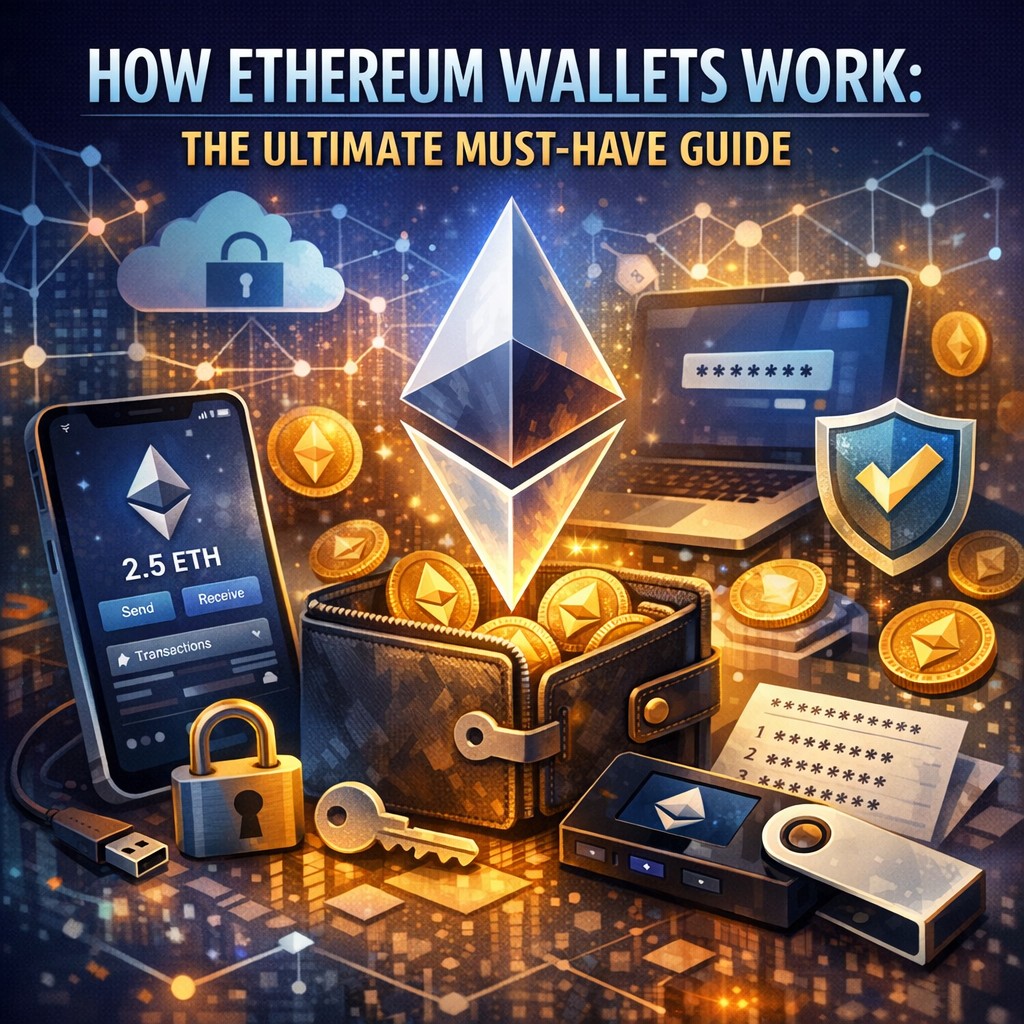
An Ethereum wallet is a digital tool that allows users to store, send, and receive Ether and Ethereum-based tokens. Unlike traditional wallets that hold physical money, Ethereum wallets don’t actually store ETH or tokens. Instead, they store cryptographic keys—private and public—that give you the control and ownership over your assets on the blockchain.
The wallet interacts with the Ethereum blockchain, allowing you to sign transactions using your private key, which is essential for proving ownership and authorizing transfers. By managing these keys, Ethereum wallets enable you to securely access and control your digital funds.
How Ethereum Wallets Works: The Basics
At its core, an Ethereum wallet generates two critical pieces of data:
– Private Key: A secret alphanumeric string known only to the wallet owner. This key is fundamental to authorizing transactions and accessing funds.
– Public Key: Derived from the private key, it acts as your wallet address that others can use to send you ETH or tokens.
When you initiate a transaction, your wallet uses the private key to digitally sign it. This signature is a cryptographic proof that you own the funds and want to transfer them. The signed transaction is then broadcast to the Ethereum network, where miners or validators confirm and add it to the blockchain ledger.
Types of Ethereum Wallets Guide
Understanding the different types of wallets will help you decide which one fits your needs best.
1. Software Wallets
Software wallets are applications or programs you install on your computer or mobile device. They provide quick and convenient access to your assets.
– Hot Wallets: These wallets are connected to the internet, making them easy to use but potentially vulnerable to cyberattacks. Examples include MetaMask, Trust Wallet, and MyEtherWallet.
– Desktop Wallets: Installed on your computer, these wallets offer more control but are still susceptible to malware if the device is compromised.
2. Hardware Wallets
Hardware wallets are physical devices designed to store private keys offline. This “cold storage” approach provides robust security by keeping keys disconnected from the internet.
Popular hardware wallets include Ledger Nano S and Trezor. These wallets require physical confirmation for transactions, offering a secure layer against hacking.
3. Paper Wallets
Paper wallets are a form of cold storage, where private and public keys are printed on a piece of paper. While secure from online threats, they must be stored carefully to avoid physical damage or loss.
4. Web Wallets
These wallets operate entirely online and can be accessed via browsers. They offer convenience, especially for quick transactions or dApp interactions, but come with greater security risks, as the private keys might be stored by third parties.
How Ethereum Wallets Works: Key Features to Consider
When selecting an Ethereum wallet, consider the following:
– Security: Does the wallet protect your private keys effectively? Hardware wallets are the safest, whereas web and hot wallets require vigilance.
– User Control: Some wallets let you hold your keys individually, giving full control and responsibility. Others may hold your keys, acting like custodians.
– Compatibility: Ensure the wallet supports Ethereum and the specific tokens you use.
– User Experience: An intuitive interface and seamless transaction process improve your interaction.
– Backup and Recovery: The wallet should provide easy ways to back up private keys or seed phrases to avoid irreversible loss.
The Importance of Seed Phrases and Backup
Most Ethereum wallets generate a seed phrase—a sequence of 12 or 24 words—that can restore a wallet’s private keys if the device is lost or damaged. Keeping this phrase secure and private is critical because anyone with the seed phrase can access your funds.
Never share your seed phrase online or store it digitally in unsecured places. Physical storage such as a safe or encrypted USB drive is recommended.
How to Use an Ethereum Wallet Safely
Even with strong wallet security, user habits matter:
– Always double-check the recipient’s address before sending funds.
– Avoid accessing your wallet on public or untrusted devices.
– Enable additional security features such as two-factor authentication (2FA) where available.
– Stay updated with wallet software versions and security patches.
Final Thoughts on Ethereum Wallets
Knowing how Ethereum wallets works empowers you to confidently engage with Ethereum’s decentralized landscape. Whether you’re a casual user or a developer, choosing the right wallet and understanding its underlying operation protects your digital assets from common threats. This ethereum wallets guide should serve as a foundation for your journey into the world of blockchain, emphasizing both security and usability.
Embrace the technology thoughtfully, and your Ethereum wallet will be a secure, reliable tool for all your blockchain interactions.