DeFi Platforms Risks and Rewards: Must-Have Insights for Safe Investing
Decentralized finance (DeFi) has revolutionized how individuals think about investing, borrowing, lending, and earning returns on their assets. With the promise of transparency, accessibility, and potentially higher yields, many investors are flocking to DeFi platforms. However, navigating this relatively new and complex ecosystem means understanding the defi platforms risks and defi platforms rewards that come with the territory. This article provides must-have insights to help you invest safely and wisely in the DeFi landscape.
Understanding DeFi Platforms Rewards
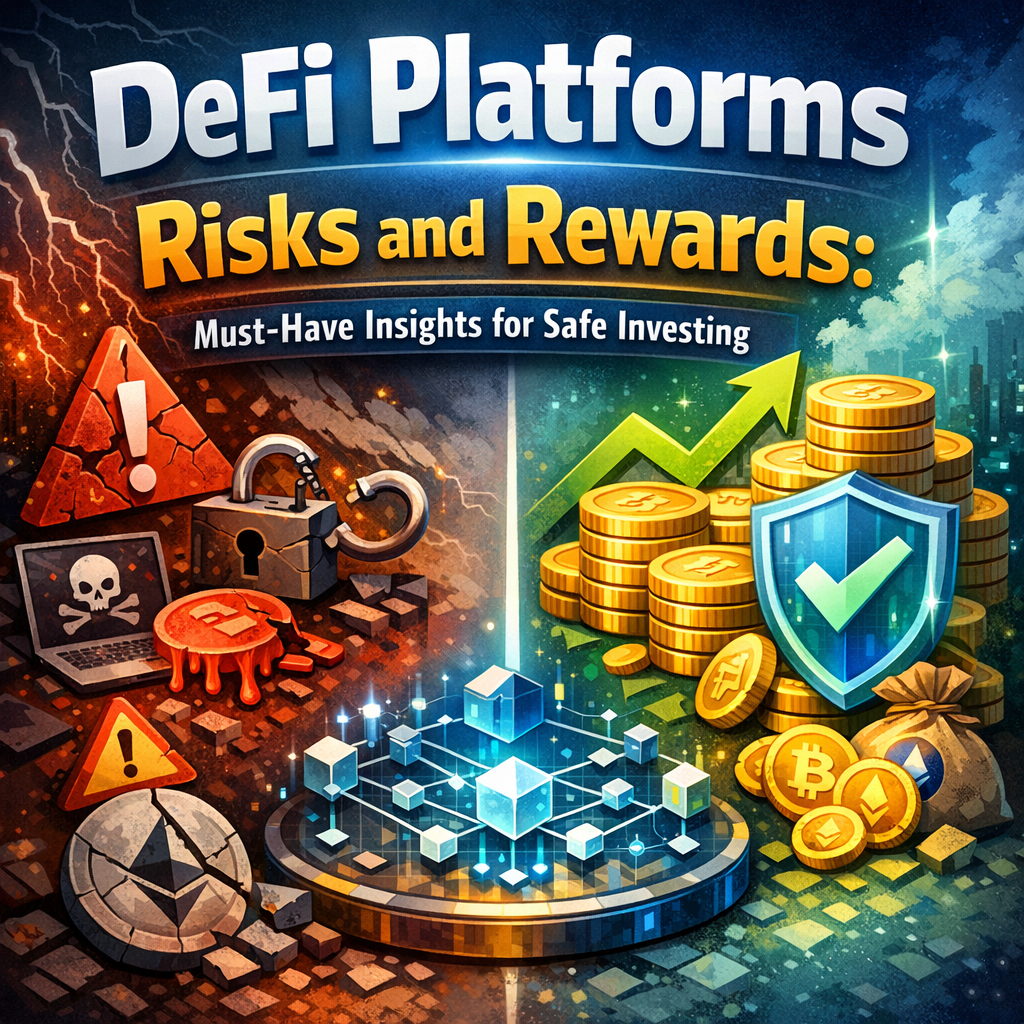
DeFi platforms offer a range of financial services without intermediaries like banks or brokers, primarily using smart contracts on blockchain networks such as Ethereum, Binance Smart Chain, and others. The potential rewards here are what have drawn considerable interest from retail and institutional investors alike.
Attractive Yield Opportunities
One of the most prominent rewards of DeFi is the opportunity for high returns. Traditional savings accounts or fixed-income investments often yield modest interest rates, but through DeFi, investors can earn significantly higher yields by:
– Yield Farming: Locking assets into liquidity pools to earn interest and platform native tokens.
– Staking: Holding tokens in a network to earn rewards or governance benefits.
– Lending and Borrowing: Providing liquidity directly to borrowers in exchange for interest payments.
These methods can sometimes offer annual percentage yields (APYs) that dwarf traditional financial products, making DeFi appealing to those seeking to grow their capital rapidly.
Decentralization and Transparency
Unlike traditional finance systems, DeFi platforms operate on open-source protocols that anyone can inspect, audit, or participate in. This level of transparency reduces reliance on centralized parties, theoretically lowering counterparty risk and improving trust. Smart contracts automate transactions, reducing human error and intervention.
Access to New Financial Products
DeFi is continuously evolving, offering innovative products like synthetic assets, decentralized exchanges (DEXs), algorithmic stablecoins, and more. This allows for greater portfolio diversification and novel investment strategies previously unavailable to everyday investors.
DeFi Platforms Risks You Must Consider
While DeFi platforms rewards are alluring, they come with unique and significant risks that require careful evaluation to prevent costly mistakes.
Smart Contract Vulnerabilities
DeFi platforms run on smart contracts—self-executing code that performs financial operations. Bugs, vulnerabilities, or poorly written code can lead to exploits by hackers, resulting in significant losses. In many cases, attacks have drained millions from DeFi protocols rapidly.
Even with audits, no smart contract is 100% risk-free, so investors must understand that locking up funds is inherently risky and irreversible in many situations.
Market and Price Volatility
Many DeFi tokens and underlying cryptocurrencies experience high price volatility. Sudden market downturns can trigger liquidation of collateral or impermanent loss when providing liquidity. This volatility can erode earnings or principal, making timing and risk management essential.
Regulatory and Legal Uncertainty
The regulatory environment for DeFi is evolving and can vary widely by jurisdiction. Governments may impose restrictions or new regulations that impact how DeFi platforms operate or the legality of certain tokens and protocols. This unpredictability adds a layer of risk for investors who may find their assets or strategies affected by changes beyond their control.
Platform and Liquidity Risks
Some DeFi projects may lack sufficient liquidity, resulting in slippage or inability to exit positions promptly. Additionally, there is the risk of platform failure if the governance team disappears or if the platform’s tokenomics are unsustainable, leading to a collapse in value.
Risks Related to User Error
DeFi demands a higher level of technical literacy than traditional investing. Mistakes such as losing private keys, sending funds to incorrect addresses, or mismanaging wallet security can lead to irreversible losses.
How to Navigate DeFi Platforms Risks and Maximize Rewards
Given the inherent risks and exciting rewards, investors can take several steps to safely participate in DeFi:
Do Thorough Research
Before committing funds, study the specific platform’s whitepaper, audit reports, community reputation, and team background. Understanding the protocol’s mechanics and past security record is crucial.
Diversify Investments
Avoid putting all capital into a single platform or asset. Spread investments across multiple protocols and use a combination of staking, yield farming, and lending to reduce exposure.
Start Small and Use Testnets
When entering a new protocol, start with small amounts to familiarize yourself with the process. Some projects offer testnets which simulate the experience without risking real money.
Use Hardware Wallets and Secure Practices
Protect private keys through hardware wallets and avoid sharing sensitive information. Employ strong password management and be wary of phishing attempts.
Stay Updated on Regulatory News
Keep informed about legal developments affecting DeFi in your country. This knowledge will help anticipate and respond to regulatory risks.
Conclusion
The decentralized finance ecosystem presents unprecedented opportunities to earn impressive returns and participate in a transparent financial system. However, the defi platforms risks— from smart contract flaws to market volatility and regulatory uncertainty—are real and demand respect. Balancing these risks carefully while capitalizing on defi platforms rewards through thorough research, security awareness, and prudent diversification sets the foundation for safe investing in this innovative frontier. By taking an informed approach, investors can harness the transformative power of DeFi to enhance their financial future.