How Web3 Wallets Work: The Ultimate Must-Have Web3 Wallets Guide
In the rapidly evolving landscape of the decentralized internet, understanding how Web3 wallets work is essential for anyone looking to engage with blockchain applications and digital assets. These wallets are not just storage tools—they are your gateway to the entire Web3 ecosystem, enabling you to manage cryptocurrencies, interact with decentralized applications (dApps), and maintain control over your digital identity. This comprehensive guide will walk you through the fundamentals of Web3 wallets, explore their core features, and highlight some of the must-have options available today.
What Are Web3 Wallets?
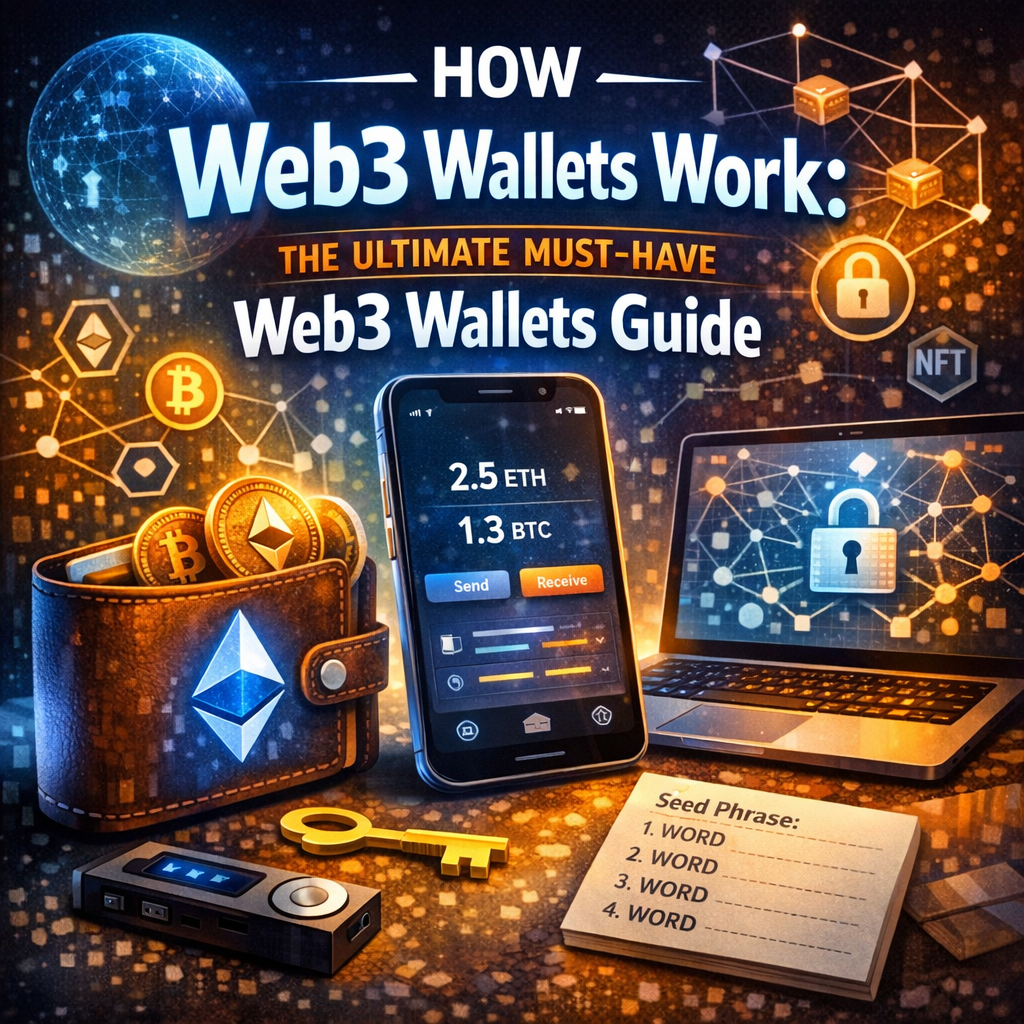
At their core, Web3 wallets are software programs or hardware devices designed to store your private and public keys, which are crucial for managing your blockchain assets. Unlike traditional digital wallets which primarily handle fiat currency, Web3 wallets focus on managing cryptocurrencies and supporting interactions with blockchain networks such as Ethereum, Binance Smart Chain, and more.
A Web3 wallet connects users to dApps, facilitating seamless transactions and providing secure authentication methods. These wallets empower users to own their data and assets without relying on centralized intermediaries, aligning perfectly with the ethos of decentralization.
How Web3 Wallets Work: The Basics
Understanding how Web3 wallets work begins with grasping the role of public and private keys. Your public key acts like your account number and can be shared freely, while your private key is the secret code that grants access to your funds. If someone else gains access to your private key, they effectively control your assets, which is why security is paramount.
When you initiate a transaction through a Web3 wallet:
1. Transaction Creation: The wallet generates a transaction request, specifying the amount and destination address.
2. Signing the Transaction: The wallet uses your private key to digitally sign the transaction, proving ownership and consent without exposing the key.
3. Broadcasting to the Network: The signed transaction is then broadcasted to the blockchain network where miners or validators confirm and add it to the ledger.
4. Verification and Completion: Once confirmed, the blockchain updates the ledger, and the wallet reflects the new balance or assets.
Besides handling transactions, Web3 wallets also support message signing, enabling users to authenticate themselves securely when interacting with dApps—say, for logging into a decentralized social platform without a password.
Types of Web3 Wallets: Understanding Your Options
When exploring the web3 wallets guide, it’s crucial to know the different types available:
1. Software Wallets
These are applications you install on your device—desktop, mobile, or browser extensions. They offer convenience and easy access, examples include MetaMask and Trust Wallet.
– Pros: User-friendly and quick to set up.
– Cons: More vulnerable to hacks if your device is compromised.
2. Hardware Wallets
Physical devices like Ledger or Trezor store your private keys offline, often referred to as cold storage.
– Pros: High security due to offline storage.
– Cons: Costly and less convenient for frequent transactions.
3. Web Wallets
Hosted wallets accessed via websites, sometimes integrated with dApps.
– Pros: Accessible from any device with internet.
– Cons: Custodial nature in many cases means you may not control your private keys.
4. Paper Wallets
A printed version of your public and private keys.
– Pros: No digital footprint, immune to hacking.
– Cons: Easily lost, damaged or stolen physically.
Security Best Practices for Web3 Wallet Users
Since losing access to your wallet often means losing your assets forever, understanding how web3 wallets work also involves knowing how to keep them safe:
– Backup Your Seed Phrase: When setting up a wallet, you receive a seed phrase—a series of words that can restore your wallet if you lose access. Store this offline and never share it.
– Use Hardware Wallets for Large Holdings: For substantial amounts, hardware wallets add a critical security layer.
– Beware of Phishing: Always verify URLs and beware of unsolicited messages asking for your keys or seed phrases.
– Enable Two-Factor Authentication (2FA): Some wallets and associated services offer 2FA for extra protection.
Must-Have Web3 Wallets in 2024
To help you get started, here’s a quick roundup from our web3 wallets guide featuring some popular and trusted options:
– MetaMask: Highly popular browser extension wallet, easy to use with Ethereum-based dApps.
– Trust Wallet: A mobile-first choice supporting multiple blockchains.
– Ledger Nano X: The leading hardware wallet known for robust security.
– Coinbase Wallet: Provides both custodial and non-custodial options with an easy-to-navigate interface.
– Rainbow Wallet: A visually appealing, user-friendly wallet designed for the Ethereum ecosystem.
Conclusion
Navigating the world of blockchain assets and dApps requires a solid understanding of Web3 wallets—how they function, their types, and how to choose one wisely. This web3 wallets guide aims to demystify the technology behind these critical tools and empower you to confidently take part in the decentralized revolution. Remember, your wallet is your key to the future of the internet, so choose it carefully and keep it secure.