Bitcoin Wallets Explained: The Must-Have Basics for Effortless Use
Bitcoin wallets explained are essential to understanding how to securely store, send, and receive Bitcoin. Whether you are a newcomer to the cryptocurrency world or someone looking to clarify the fundamentals, grasping the basics of Bitcoin wallets can save you from common pitfalls and enhance your experience. In this article, we will explore the vital concepts behind bitcoin wallets basics and provide you with clear, practical insights to help you get started confidently.
What Are Bitcoin Wallets?
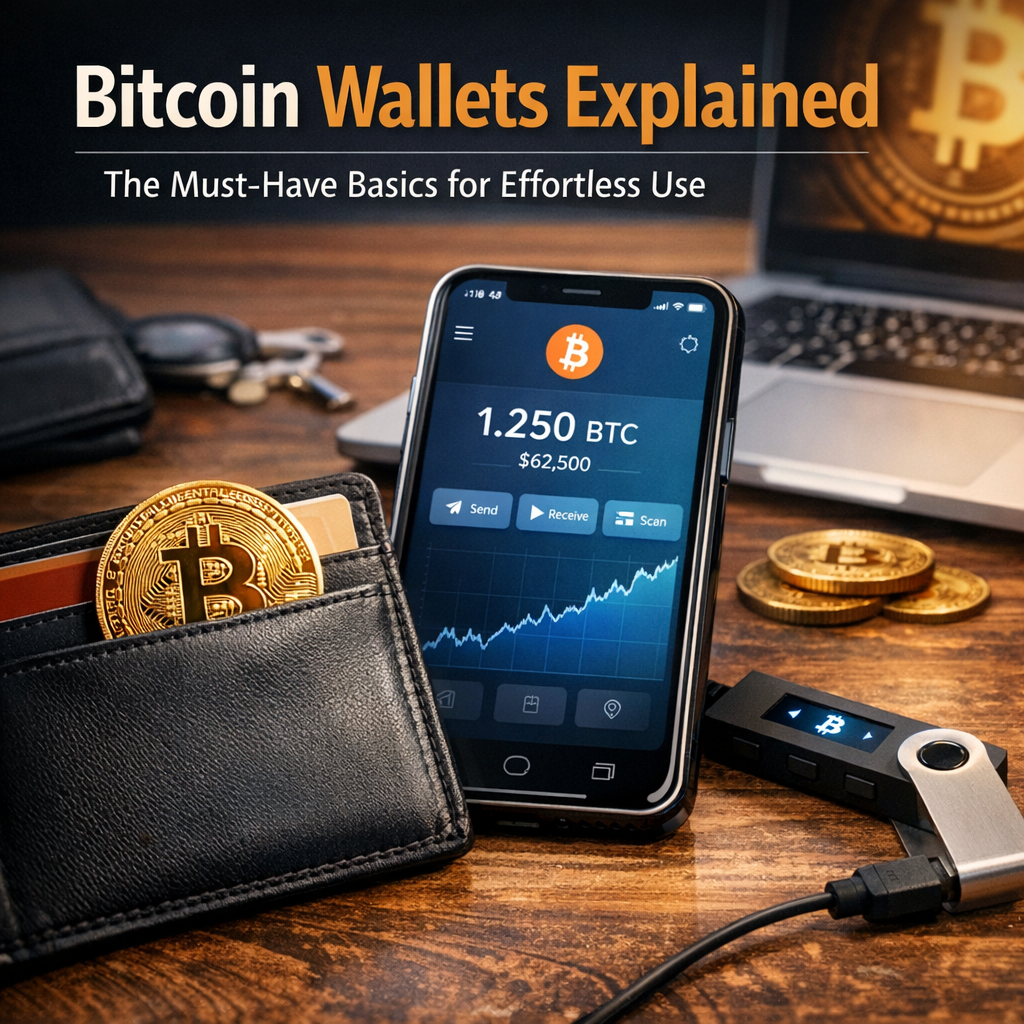
At its core, a Bitcoin wallet is a digital tool that allows you to interact with the Bitcoin blockchain. Contrary to traditional wallets that hold physical cash, Bitcoin wallets store cryptographic keys—specifically, a public key and a private key. The public key acts like an address where others can send Bitcoin, while the private key is the secret code that lets you access and move your Bitcoin.
Understanding these keys is fundamental to any discussion about Bitcoin wallets explained. Without your private key, you cannot control or transfer your Bitcoin, making it the most critical element in any wallet.
Bitcoin Wallets Basics: Types of Wallets
There are several types of Bitcoin wallets, each designed with a specific use case in mind. Choosing the right type depends on your priorities, such as security, convenience, and access.
1. Software Wallets
Software wallets are applications or programs that run on your computer or mobile device. They are widely popular due to their ease of use.
– Desktop Wallets: Installed on a PC or laptop, they provide control over your keys and are typically more secure than online wallets. Examples include Electrum and Bitcoin Core.
– Mobile Wallets: Perfect for everyday use, these wallets run on smartphones and often include QR scanning for quick transactions. Apps like Mycelium and Trust Wallet are good options here.
– Web Wallets: Hosted on a website and accessible via a browser, these wallets offer convenience but can be vulnerable if the hosting service is compromised.
2. Hardware Wallets
Hardware wallets are physical devices specifically built to store Bitcoin private keys offline. These wallets are extremely secure from hacking attempts because they keep your keys isolated from the internet. Popular hardware wallets include Ledger Nano S, Ledger Nano X, and Trezor.
3. Paper Wallets
A paper wallet is a physical printout of your Bitcoin public and private keys. This form of wallet is offline, making it immune to hacking but also vulnerable to loss or damage. While less common today, paper wallets can still be useful for long-term cold storage.
Why Wallet Security Is Crucial
When discussing bitcoin wallets explained, one cannot overlook security. Because Bitcoin operates on a decentralized network without any central authority to reverse transactions or recover lost funds, safeguarding your wallet is vital.
– Backup Your Wallet: Always keep secure backups of your wallet’s private keys or seed phrase. Losing access means losing your Bitcoin permanently.
– Use Strong Passwords: For software wallets, encrypting your wallet and choosing strong, unique passwords can minimize unauthorized access.
– Keep Software Updated: Wallet developers regularly release security patches. Always update to the latest version.
– Beware of Phishing: Be cautious when entering wallet details online or clicking suspicious links.
How to Use a Bitcoin Wallet: The Basics
Using a Bitcoin wallet typically involves a few straightforward steps:
1. Create a Wallet: Download or purchase a wallet suitable for your needs and follow the setup instructions to generate your keys.
2. Receive Bitcoin: Share your public address with others or exchanges to receive Bitcoin.
3. Send Bitcoin: Use your wallet software to send Bitcoin by entering the recipient’s address and the amount.
4. Backup: Record your seed phrase or private keys and store them in a secure location.
Tips for Effortless Bitcoin Wallet Use
– Understand Your Wallet Type: Know whether your wallet is “hot” (connected to the internet) or “cold” (offline), as this affects security and accessibility.
– Use Multi-Signature Wallets: For added security, multi-signature wallets require multiple approvals before moving funds.
– Keep Small Amounts in Hot Wallets: Store only limited funds in mobile or web wallets for daily transactions.
– Use Cold Storage for Savings: Reserve hardware or paper wallets for long-term holding.
Conclusion
Bitcoin wallets explained provide essential knowledge for anyone interested in engaging with the Bitcoin ecosystem securely and efficiently. Understanding bitcoin wallets basics empowers you to make informed decisions about storage, security, and transaction management. Whether you choose a software option for convenience or a hardware solution for security, the keys to effortless use lie in understanding how wallets operate and practicing good security habits. With these insights, you are well on your way to confidently handling Bitcoin transactions and safeguarding your digital assets.