Cold Storage Wallets for Beginners: The Ultimate Must-Have Guide
In the rapidly evolving world of cryptocurrency, cold storage wallets for beginners have become an essential tool for securing digital assets. With cyber threats and hacks becoming increasingly common, safeguarding your crypto investments is more important than ever. This guide will walk you through the essentials of cold storage wallets, helping beginners understand why these wallets are crucial and how to use them effectively.
What Are Cold Storage Wallets?
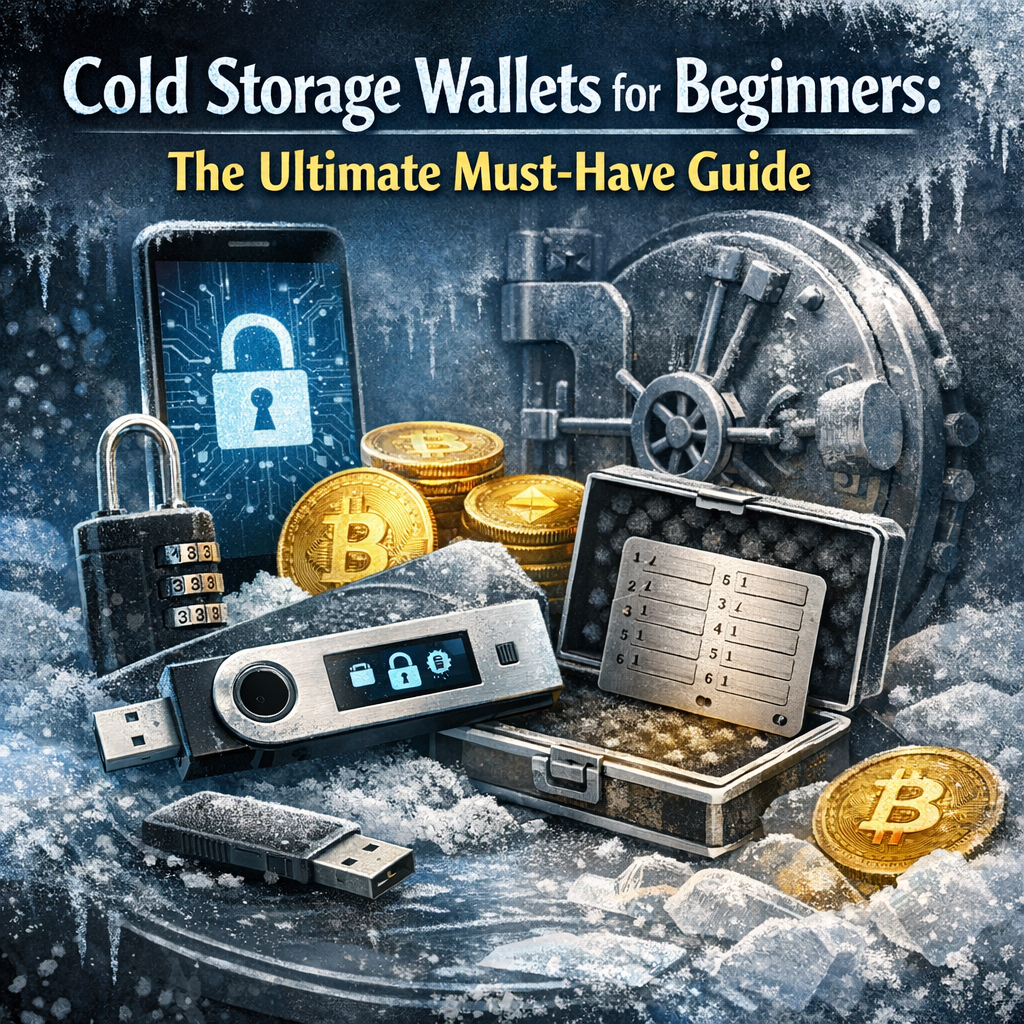
Cold storage wallets, also known as offline wallets, are cryptocurrency wallets that store private keys away from the internet. Unlike hot wallets, which are connected directly to the internet and more vulnerable to hacking, cold wallets keep your crypto assets in an environment isolated from online threats. This makes them one of the safest options for long-term storage.
For beginners, the concept might seem complex, but it boils down to one simple principle: keeping your private keys where hackers can’t reach. Whether you’re holding Bitcoin, Ethereum, or any other cryptocurrency, a cold wallet ensures your assets remain secure even if your computer or smartphone is compromised.
Why Choose Cold Storage Wallets for Beginners?
When you’re new to cryptocurrencies, security should be a top priority. Here’s why many recommend beginner cold storage wallets as the first line of defense:
– Protection from Cyber Attacks: Cold wallets are completely offline, which drastically reduces the risk of hacking.
– Peace of Mind: Knowing your assets are secure from phishing attacks, malware, and device theft provides comfort to new users.
– Control Over Private Keys: With cold wallets, you retain full control over your keys, making you the sole custodian of your crypto.
– Long-Term Storage: Ideal for users planning to hold coins for months or years without frequent trading.
Types of Cold Storage Wallets for Beginners
Understanding the various forms of cold storage will help beginners choose the best option based on their needs and technical comfort:
1. Hardware Wallets
Hardware wallets are physical devices specifically designed to store private keys offline. Popular options include brands like Ledger Nano S, Ledger Nano X, and Trezor. These wallets can connect to your computer through USB but keep your keys isolated within the device.
Pros:
– User-friendly interfaces ideal for beginners
– Support multiple cryptocurrencies
– Highly secure with PIN and recovery seed protection
Cons:
– Initial purchase cost
– Risk of physical damage or loss
2. Paper Wallets
A paper wallet is a physical printout of your public and private keys in the form of QR codes. It’s called cold storage because these keys are never stored digitally or online.
Pros:
– Completely offline and hack-proof
– Inexpensive and simple to create
Cons:
– Fragile and prone to physical damage
– Easy to lose and difficult to use for beginners without guidance
3. Offline Software Wallets
These wallets involve creating wallets on a device that never connects to the internet. An offline-generated wallet can be stored on USB drives or external hard drives.
Pros:
– No additional hardware needed
– Full control over private keys
Cons:
– Requires some technical knowledge
– Risk of infecting device if not properly managed
How to Set Up a Beginner Cold Storage Wallet
For beginners, hardware wallets often present the easiest and safest option. Here’s a basic overview of setting one up:
1. Purchase a Trusted Hardware Wallet: Buy directly from manufacturers or authorized sellers to avoid counterfeit devices.
2. Initialize the Wallet: Follow on-screen instructions during the setup. You’ll create a PIN and receive a recovery seed phrase — a critical backup.
3. Secure Your Seed Phrase: Write down your seed phrase on physical paper and store it in a safe, separate location. Never store this digitally.
4. Transfer Cryptocurrency: Send your crypto from your exchange or hot wallet to your hardware wallet’s public address.
5. Verify Transactions Safely: Confirm transactions directly on the device to prevent remote tampering.
Best Practices for Using Cold Storage Wallets for Beginners
To make the most of cold storage wallets, keep these tips in mind:
– Never share your private keys or seed phrase with anyone.
– Create multiple backups of your recovery seed phrase and store them in different secure locations.
– Keep your hardware wallet firmware up to date to protect against vulnerabilities.
– Avoid storing recovery phrases on digital devices like phones or computers.
– Test your wallet setup by sending a small amount first before transferring larger sums.
Conclusion
Navigating the world of cryptocurrency can be daunting for newcomers, but investing in cold storage wallets for beginners is a crucial step toward securing your digital wealth. Whether you opt for hardware wallets, paper wallets, or offline software options, the added security and peace of mind these wallets provide are invaluable. By understanding the basics and following best practices, even beginners can confidently protect their cryptocurrency from the threats lurking online. Remember, in the world of crypto, your private keys are your kingdom—guard them well with cold storage solutions.