Best Cold Storage Wallets Strategies: Exclusive Tips for Secure Storage
In the rapidly evolving world of cryptocurrencies, securing your digital assets is paramount. One of the most effective ways to safeguard your investments is through best cold storage wallets strategies. Cold storage wallets offer a high level of security by keeping your private keys offline, significantly reducing the risk of hacking, phishing, and other cyber threats. In this article, we will explore exclusive, practical tips and strategies to maximize the security and effectiveness of your cold storage wallets.
Understanding Cold Storage Wallets: A Key to Security
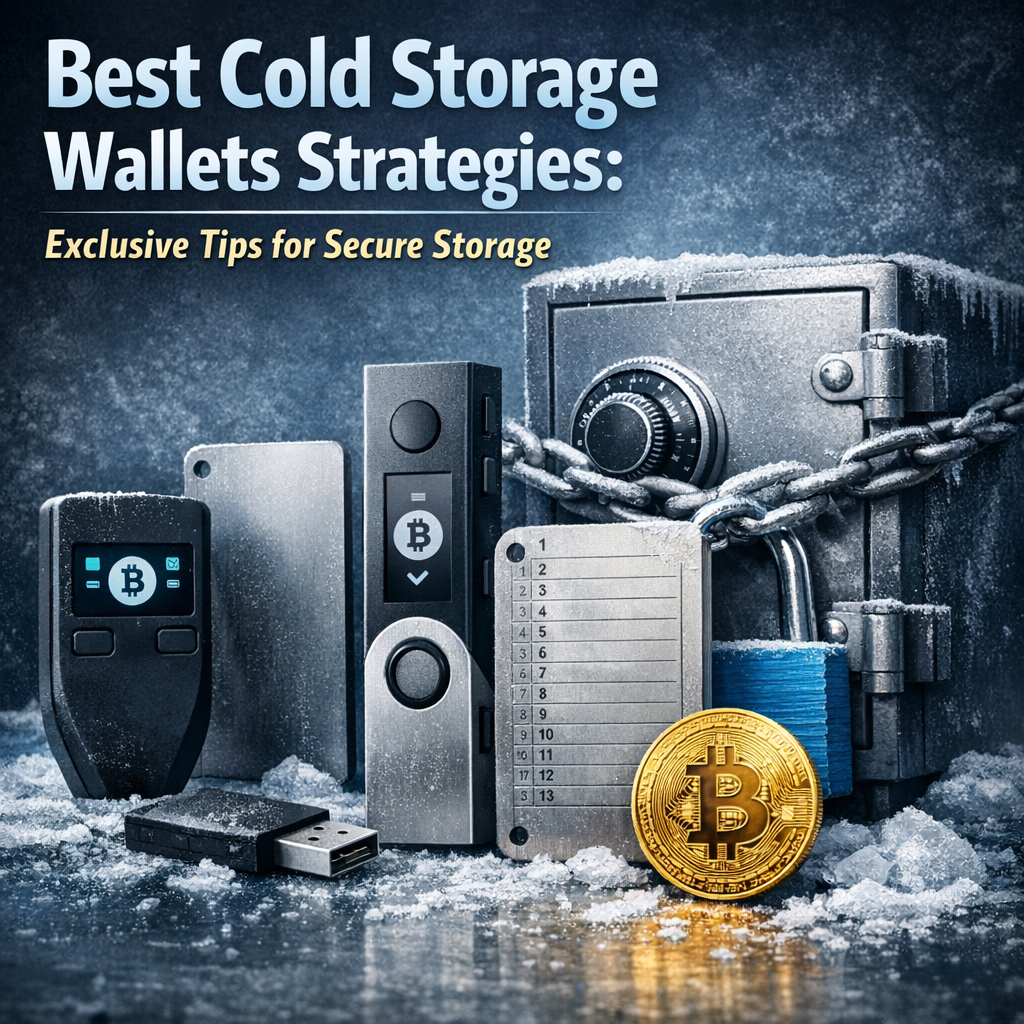
Before diving into strategies, it’s essential to understand what cold storage wallets are and why they matter. Unlike hot wallets, which are connected to the internet and more vulnerable to attacks, cold storage wallets store cryptocurrency keys offline. This offline status makes them less susceptible to malware, hackers, and server failures.
Common types of cold storage wallets include hardware wallets (like Ledger and Trezor), paper wallets, USB drives, and even air-gapped computers. Each has its own advantages and drawbacks, but all share the core benefit of offline security.
Best Cold Storage Wallets Strategies for Maximum Security
1. Choose the Right Type of Cold Storage Wallet
Selecting the appropriate cold storage wallet depends on your specific needs, technical knowledge, and the amount of cryptocurrency you want to secure. Hardware wallets are user-friendly and highly secure, making them ideal for most users. Paper wallets, while secure when created properly, require caution due to risks from physical damage and handling errors.
2. Generate Wallets on Secure, Air-Gapped Devices
One of the most crucial cold storage wallets tips is to generate your wallet’s private keys on a secure, air-gapped device. An air-gapped computer, disconnected from any network, eliminates the possibility of remote hacking during wallet creation. Use trusted and verified software tools to generate your keys and wallets offline, then transfer necessary data via secure means such as QR codes or encrypted USB drives.
3. Use Strong, Unique Passwords and PINs
Even though cold storage wallets are offline, they often come with a password or PIN for added security. Use long, unique passwords that combine letters, numbers, and special characters. Avoid easily guessable information related to your personal life. For hardware wallets, enable any additional security features like passphrase protection for enhanced resilience against theft or loss.
4. Back Up Your Seed Phrases Securely
Most cold wallets use seed phrases (often 12-24 words) to allow wallet recovery. Keep multiple copies of these seed phrases stored in separate, secure physical locations. Consider using metal seed backup solutions that resist fire, water, and corrosion to protect from physical damage. Never store seed phrases digitally or online as this can expose you to hacking.
5. Beware of Physical Security Risks
Physical security is often overlooked but is vital to maintaining cold storage safety. Store your wallets, seed backups, and recovery data in safe places such as bank safety deposit boxes or high-quality safes. Be mindful of who has access to these locations and regularly check on the condition and presence of your cold storage materials.
6. Regularly Update Firmware and Wallet Software
For hardware wallets, keeping your device’s firmware updated with the latest security patches is necessary. Updates often include vital bug fixes and improvements against evolving threats. Only download firmware and software updates directly from official manufacturer websites to avoid counterfeit or malicious files.
7. Practice Transaction Hygiene by Verifying Addresses
When transferring cryptocurrency from your cold wallet, always double-check recipient addresses. Scammers often use malware that changes clipboard data or substitutes address characters. Use QR codes or manually verify addresses on trusted devices to minimize risks. This step is critical in safeguarding against theft during transactions.
Additional Cold Storage Wallets Tips for Long-Term Investors
For users holding crypto assets over the long term, it’s important to have a well-thought-out plan beyond initial storage.
– Test Recovery Procedures: Periodically test recovering your wallet using your backups to ensure your recovery information works perfectly.
– Avoid Frequent Access: Limit interactions to reduce chances of exposure or human errors.
– Consider Multi-Signature (Multi-Sig) Wallets: Multi-Sig wallets require multiple private keys for transactions, spreading risk among trusted parties or devices.
– Stay Informed: Keep up with the latest best practices and potential vulnerabilities in cold storage technology.
Conclusion
Employing the best cold storage wallets strategies can make the difference between losing your cryptocurrency and protecting it for years to come. By selecting the right type of wallet, generating keys securely, safeguarding your seed phrases, and paying close attention to both physical and digital hygiene, you can advance your protection dramatically. Whether you’re a casual investor or managing significant crypto holdings, these cold storage wallets tips provide a strong foundation for safe, long-term asset security. When it comes to digital currencies, cautious planning and disciplined security methods are your best allies.