Cold Storage Wallets Explained: Must-Have Basics for Effortless Security
In the ever-evolving world of cryptocurrency, security remains a top priority for investors and traders alike. With the rise in cyber threats and hacking incidents, keeping your digital assets safe is crucial. Cold storage wallets explained provide a simple yet highly effective solution for protecting cryptocurrencies from online vulnerabilities. This article will delve into the essentials of cold storage wallets, helping you understand why they are indispensable for anyone serious about securing their crypto holdings.
What Are Cold Storage Wallets?
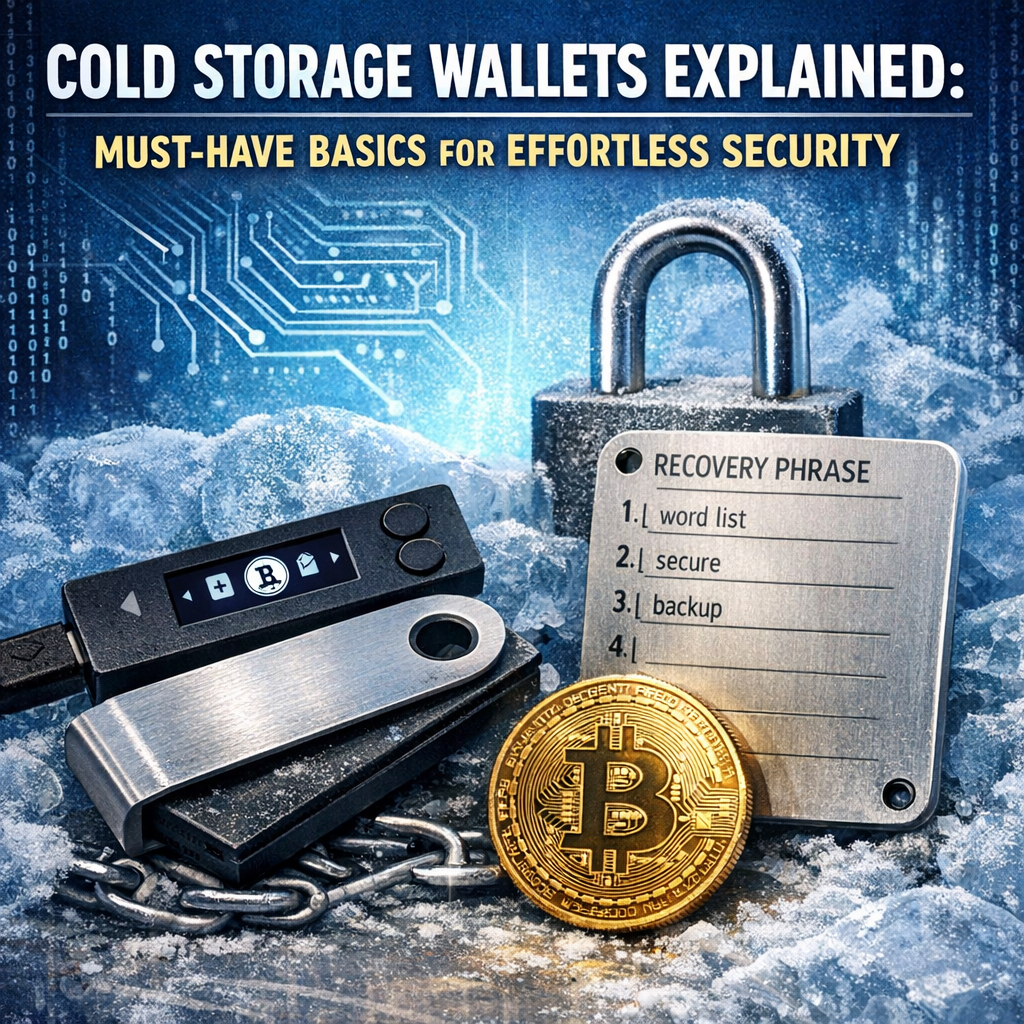
Cold storage wallets, also known as offline wallets, refer to digital wallets that store private keys on hardware or physical devices disconnected from the internet. Unlike hot wallets, which remain connected online for fast access and transactions, cold storage wallets prioritize security by eliminating exposure to potential online threats such as phishing, malware, or hacking attempts.
The core idea behind cold storage wallets basics is to keep your private keys completely offline. These keys are the crucial secret codes required to access and manage your cryptocurrency funds. If these keys fall into the wrong hands, your assets can be stolen, so isolating them from the internet safeguards your investments effectively.
Types of Cold Storage Wallets
Hardware Wallets
Hardware wallets are physical devices designed solely for the purpose of securing cryptocurrencies. These devices store private keys internally and sign transactions internally, ensuring that the sensitive information never leaves the device. Popular hardware wallet brands include Ledger Nano S/X and Trezor. These wallets typically connect to a computer or smartphone temporarily for transaction verification but keep your keys offline at all other times.
Paper Wallets
A paper wallet is a physical printout containing your public and private keys in written or QR code format. It’s a simple form of cold storage where the keys are generated offline and printed for safekeeping. While paper wallets are inexpensive and provide strong security (since they are completely offline), they require careful handling to avoid damage, loss, or unauthorized access.
Brain Wallets
Brain wallets involve memorizing a passphrase that can recreate your private keys on-demand. Though convenient in theory, this method carries risks if the passphrase is weak or forgotten. It largely remains a niche practice that demands strong security awareness and backup strategies.
Cold Storage Wallets Basics: How to Use Them Safely
Understanding cold storage wallets explained involves not just knowing what these wallets are, but also how to use them correctly. Here are some key basics to ensure your crypto remains safe:
– Generate Keys Offline: Always generate your private keys offline using trusted, secure software or hardware. Avoid online generators that may expose your keys to hackers.
– Keep Your Backup Secure: Backups, whether physical copies of paper wallets or seed phrases for hardware wallets, should be stored in safe, separate locations such as a fireproof safe or secure deposit box.
– Avoid Digital Copies: Never store unencrypted copies of your private keys or seed phrases on cloud storage, email, or digital notes. This exposes them to hacking risks.
– Confirm Transactions Offline: When using hardware wallets, verify and approve transactions on the device’s screen to prevent malware hijacking your funds.
– Regularly Update Firmware: Keep your hardware wallet’s firmware up to date to protect against vulnerabilities and take advantage of any new security features.
Advantages of Using Cold Storage Wallets
1. Enhanced Security: By keeping private keys offline, cold storage wallets significantly reduce risks of hacking and cyber theft.
2. Protection from Phishing: Since transactions require physical approval on the device, phishing attempts to trick you into sending funds are less effective.
3. Long-Term Storage: Cold wallets are ideal for storing cryptocurrencies you don’t need immediate access to, making them perfect for investment portfolios.
4. Control Over Assets: Unlike keeping funds on exchanges, cold wallets ensure you own your private keys and have full control over your assets.
Disadvantages and Considerations
While cold storage wallets offer robust security, they do have some trade-offs:
– Less Convenient: Accessing funds requires connecting or referencing your offline wallet, which is slower and less convenient than using hot wallets.
– Physical Risks: Loss, theft, or damage to your physical cold storage device or paper wallet can lead to asset loss if you don’t have secure backups.
– Learning Curve: Beginners may find setup and proper use challenging without adequate guidance.
Final Thoughts: The Essential Role of Cold Storage Wallets Explained
In conclusion, cold storage wallets form the backbone of secure cryptocurrency management. Whether you’re a long-term investor or someone holding large crypto amounts, understanding and applying the cold storage wallets basics is vital for protecting your digital wealth. By keeping your private keys offline and following best practices, you can significantly reduce the risk of losing your assets to cybercriminals. As the crypto landscape continues to grow, mastering cold storage techniques will remain one of the most important steps in your security toolkit.
Embrace cold storage wallets today, and safeguard your cryptocurrencies with confidence and ease.