Bitcoin Wallets Mistakes: Must-Have Tips to Avoid Costly Errors
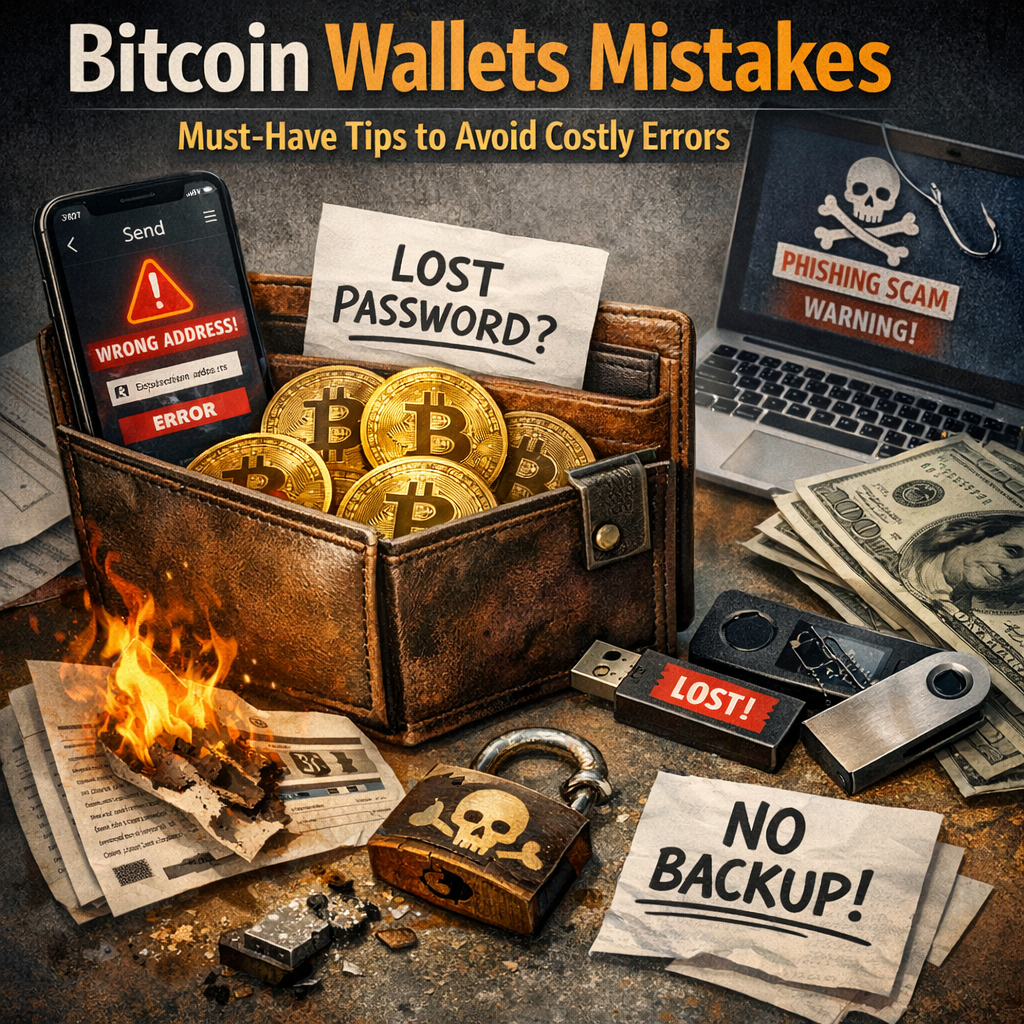
When it comes to managing cryptocurrency, bitcoin wallets mistakes can lead to severe consequences such as loss of funds, security breaches, or irreversible errors. Bitcoin wallets serve as digital vaults for your cryptocurrency, and handling them with care is essential for anyone invested in or curious about Bitcoin. Whether you’re a beginner or an experienced user, understanding common pitfalls and adopting effective safeguards is crucial. This article explores key bitcoin wallets mistakes and provides valuable bitcoin wallets tips to help protect your assets and ensure smooth management.
Understanding Bitcoin Wallets and Their Importance
A bitcoin wallet is a software application or hardware device that stores private and public keys, enabling users to send, receive, and store Bitcoin securely. Unlike traditional wallets, bitcoin wallets do not store the actual cryptocurrency; instead, they hold the digital keys necessary to access your funds on the blockchain. Because these private keys are the sole means of access, losing them or exposing them to hackers means losing your Bitcoin permanently.
Common Bitcoin Wallets Mistakes and How to Avoid Them
1. Ignoring Wallet Backup and Recovery
One of the most frequent errors is failing to back up wallet data properly. A wallet backup usually consists of a seed phrase—typically a 12 to 24-word sequence—that allows you to recover your wallet if your device is lost, stolen, or damaged.
Tip: Always write down your seed phrase on paper and store it in a secure, offline location. Avoid saving it digitally or online, as hackers can gain access to files stored on cloud services or devices.
2. Using Weak Passwords or Skipping Encryption
Many new users neglect to set strong passwords or bypass encrypting their wallets, making their funds vulnerable to theft.
Tip: Use a combination of letters, numbers, and special characters for passwords and opt for wallet software that supports encryption. Adding two-factor authentication (2FA) to exchanges or wallet apps further increases protection.
3. Choosing Unreliable or Unverified Wallets
Not all bitcoin wallets provide the same level of security or functionality. Opting for a wallet without proper security measures or from an untrustworthy source can expose your assets to risks.
Tip: Research wallet reputation, security features, and user reviews before choosing. Well-known wallets like Electrum, Ledger (hardware), and Trezor (hardware) are exemplary choices in the industry.
4. Storing Large Funds on Hot Wallets
Hot wallets—those connected to the internet—are convenient for quick access but inherently less secure. Keeping large balances on hot wallets can invite theft through hacking or malware.
Tip: Use hot wallets for limited spending or trading amounts. For substantial holdings, transfer your funds to cold wallets (offline wallets), such as hardware wallets or paper wallets.
5. Neglecting Software and Firmware Updates
Outdated wallet software and hardware firmware often contain vulnerabilities that cybercriminals exploit.
Tip: Regularly update your wallet software and hardware devices with the latest versions provided by official sources. Avoid downloading updates from unofficial websites.
Bitcoin Wallets Tips for Enhanced Security and Usability
Maintain Privacy and Anonymity
Be cautious about public disclosure of your bitcoin addresses or wallet holdings. Sharing too much information on forums or social media can create targeted scams or phishing attempts.
Double-Check Addresses Before Transactions
A common mistake is sending Bitcoin to the wrong address due to copy-paste errors or malware replacing addresses on the clipboard.
Tip: Always verify the receiving address visually or use QR codes generated from trusted sources. Small mistakes in addresses can cause permanent loss.
Test with Small Transactions
Before sending large amounts, send a tiny test transaction to ensure the address is correct and the wallet works as expected.
Educate Yourself Continuously
The cryptocurrency space evolves rapidly, with new threats and solutions emerging regularly. Join reputable forums, follow wallet developers’ updates, and stay aware of best practices.
Avoid Public and Unsecured Wi-Fi Networks
Accessing wallets or conducting Bitcoin transactions over public Wi-Fi without a VPN can expose your keys to cybercriminals.
Tip: Use secured networks or a reliable VPN when managing your cryptocurrency.
Conclusion
Avoiding bitcoin wallets mistakes is fundamental to safeguarding your cryptocurrency investments. By understanding common errors—like neglecting backups, choosing weak passwords, or mismanaging wallet types—and applying practical bitcoin wallets tips, you can significantly reduce risks. Remember, the security of your Bitcoin primarily depends on how responsibly you handle your wallet. Take proactive measures, stay informed, and treat your wallet like a real vault to keep your digital wealth secure.