Cold Storage Wallets Mistakes: Must-Have Tips to Avoid Costly Errors
When it comes to securing cryptocurrency, cold storage wallets offer one of the safest solutions available. However, many users make critical cold storage wallets mistakes that can lead to the loss of their assets or exposure to theft. Whether you’re a beginner or an experienced crypto holder, understanding these pitfalls and adopting effective cold storage wallets tips is essential for protecting your investment.
In this article, we will explore the common errors people make with cold storage wallets and provide actionable advice to help you avoid costly mistakes.
Common Cold Storage Wallets Mistakes to Watch Out For
1. Poor Backup Practices
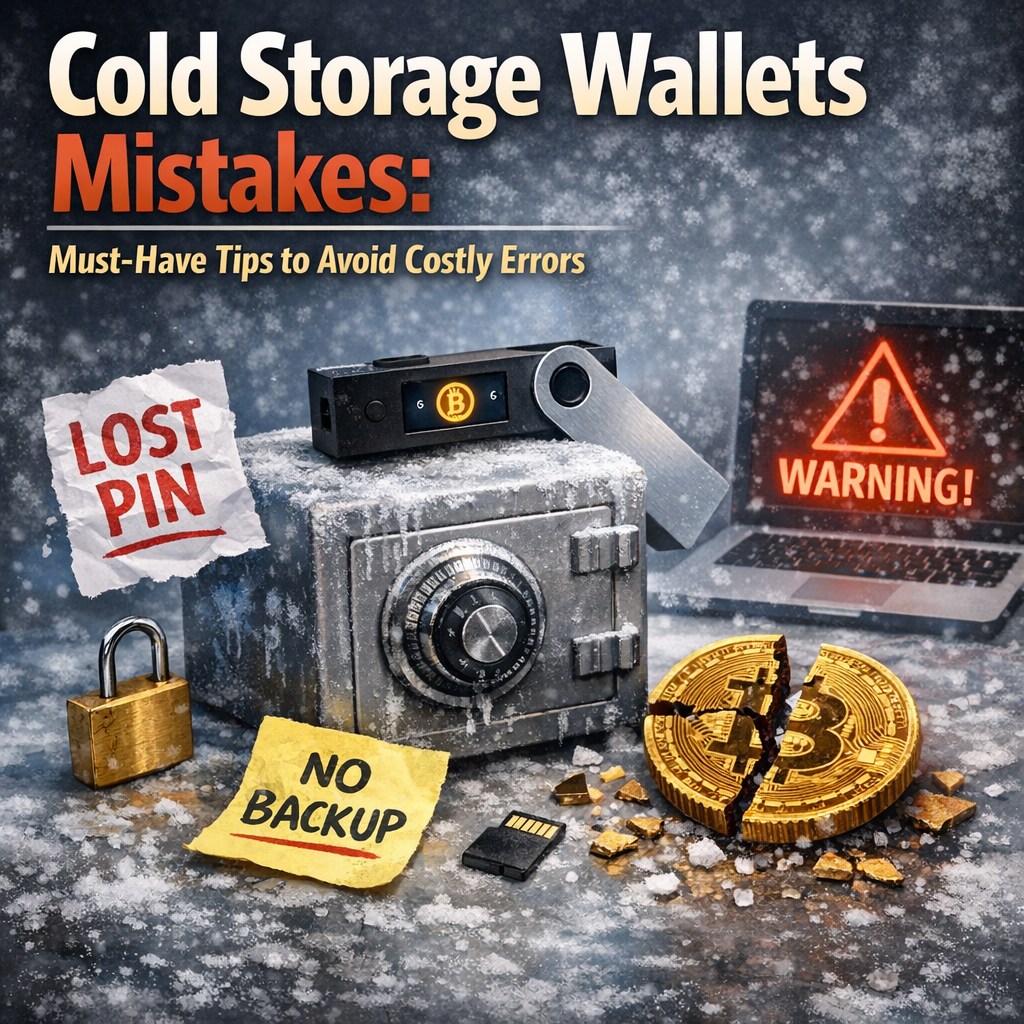
One of the most frequent cold storage wallets mistakes is failing to create secure, multiple backups of your wallet’s recovery seed or private keys. If your hardware wallet is lost, damaged, or stolen, the recovery seed is the only way to regain access to your funds. Relying on a single paper backup or storing your recovery phrase digitally on your computer drastically increases the risk of irretrievable loss or hacking.
Tip: Write your recovery seed on multiple pieces of durable material such as metal plates or high-quality paper and store these duplicates in different secure locations. Avoid digital backups unless encrypted and offline.
2. Using Public or Online Devices for Key Management
Accessing your wallet’s private keys or recovery seed on any internet-connected device exposes you to malware and phishing risks. A common error is entering sensitive information on computers or smartphones that could be compromised.
Tip: Always perform cold storage setup and key management on air-gapped or offline devices to minimize exposure. Using hardware wallets that sign transactions offline adds an extra layer of security without requiring internet connectivity for critical processes.
3. Neglecting Firmware Updates on Hardware Wallets
Some users assume that once their hardware wallet is set up, it needs no maintenance. This is a dangerous misconception. Manufacturers release firmware updates to patch vulnerabilities and enhance security, and ignoring these updates leaves your wallet susceptible to attacks.
Tip: Regularly check for and install official firmware updates from trusted sources. Always verify downloads via cryptographic signatures to avoid tampered software.
4. Improper Storage of the Hardware Wallet
Storing your hardware wallet carelessly—such as leaving it in easily accessible places or environments prone to damage—can jeopardize your assets. Theft, physical damage from moisture or extreme temperatures, or loss in transit are all common issues.
Tip: Keep your hardware wallet in a secure, controlled environment, such as a safe or lockbox. Consider insurance if you hold significant amounts.
5. Sharing Recovery Seeds
A critical cold storage wallets mistake is sharing your recovery seed or private keys with others, even trusted parties. This opens the door for theft or accidental exposure.
Tip: Treat your recovery seed as the ultimate secret. Never share it, and be cautious about where and how you write it down. If you need to involve a trusted party, consider multisignature wallets that require multiple keys without sharing the full recovery phrase.
Essential Cold Storage Wallets Tips to Secure Your Crypto Assets
Use Reputable Wallets and Devices
Choosing a well-known and trusted hardware wallet provider can mitigate many risks. Look for wallets with open-source firmware, active development teams, and strong community reviews. Avoid cheap or unknown knockoffs that may have hidden vulnerabilities.
Practice Transaction Verification
Whenever you send cryptocurrency from cold storage, carefully verify the transaction details on your hardware wallet’s screen. Phishing attempts and man-in-the-middle attacks can alter transaction parameters, so manual confirmation is a crucial security measure.
Plan for Inheritance and Recovery
In the event of your incapacity or death, your cryptocurrency might be lost forever if nobody knows how to access your cold storage. Prepare a secure plan for estate management that outlines how trusted heirs can access the wallet without compromising security.
Use Multisignature Wallets for Large Holdings
For enhanced safety, consider wallets that require multiple keys to authorize a transaction. This setup reduces the risk of losing funds due to a single compromised key or backup error.
Regularly Test Your Backup Recovery Process
Don’t just assume your recovery seed works—periodically test recovery on a separate device. This exercise ensures that your backup procedures are correct and reliable, preventing unpleasant surprises during actual recovery.
Conclusion
Avoiding cold storage wallets mistakes is crucial to maintaining the security and integrity of your cryptocurrency holdings. By adopting proven cold storage wallets tips, such as creating multiple secure backups, managing keys offline, updating firmware, and planning for recovery, you can ensure your assets remain protected from theft, loss, and unforeseen events. Cryptocurrency security demands diligence and careful handling, but with the right practices, cold storage remains one of the most effective defenses against digital asset risks.