Crypto Scams Investing: Must-Have Investor Guide to Avoid Losses
Crypto scams investing has become a growing concern as more people flock to the digital currency market seeking high returns. Unfortunately, the rapid expansion of the crypto space has also attracted bad actors aiming to exploit inexperienced investors. To safeguard your capital and make informed decisions, having a clear understanding of the pitfalls is crucial. This investor guide to crypto scams will help you identify warning signs, adopt best practices, and protect your investments from fraudulent schemes.
Understanding Crypto Scams Investing
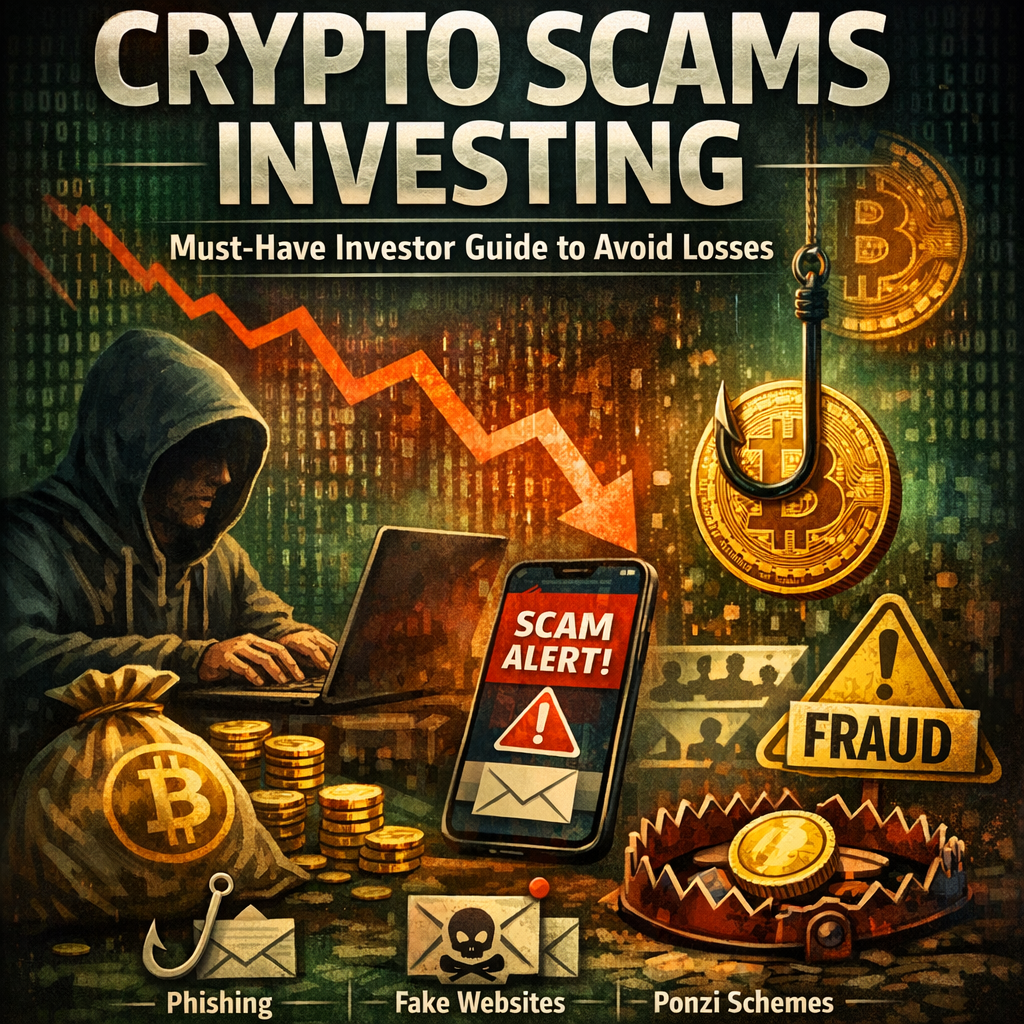
The cryptocurrency ecosystem offers exciting opportunities but also presents unique risks. Unlike traditional investments, cryptocurrencies are decentralized and often lack regulatory oversight, which can make it harder to distinguish legitimate projects from scams. Common crypto scams include Ponzi schemes, fake initial coin offerings (ICOs), pump-and-dump schemes, phishing attacks, and fraudulent exchanges.
Investors who fall victim to these scams often lose substantial amounts of money, with little recourse for recovery. Being aware of the different types of scams and how they operate is the first step in staying safe.
Recognizing Common Crypto Scams Investing Tactics
1. Fake Initial Coin Offerings (ICOs)
Many scams start with fake ICOs that promise revolutionary technologies or massive future profits. Scammers create compelling whitepapers and slick websites to lure investors, only to disappear once the funds are raised. Always verify the credibility of the team behind any ICO and look for independent audits or endorsements.
2. Ponzi and Pyramid Schemes
Ponzi schemes promise returns paid from new investors’ money rather than legitimate profits. Early participants might receive payouts creating a false sense of security. Pyramid schemes rely on recruiting others to invest, with rewards structured around new sign-ups. These collapse once recruitment slows, leaving most investors at a loss.
3. Pump-and-Dump Groups
Some groups manipulate the price of lesser-known cryptocurrencies by artificially inflating their value, encouraging others to buy in. Once prices have surged, insiders sell their holdings at a profit, and prices crash. Staying away from hype-driven investments and conducting your own research can mitigate this risk.
4. Phishing and Fake Exchanges
Phishing scams attempt to steal your private keys or login credentials via fake websites or emails designed to look like legitimate exchanges. Similarly, some fraudulent platforms pose as authentic exchanges but disappear with user funds after deposits. Protecting your private keys and double-checking website URLs is essential.
Investor Guide to Crypto Scams: Practical Tips to Avoid Losses
Do Thorough Research
Before investing in any cryptocurrency or related project, conduct comprehensive research. Assess the project’s whitepaper for clarity and feasibility, investigate the team’s backgrounds, and seek community feedback on forums like Reddit or Bitcointalk. Reliable projects often have transparent development updates and active governance.
Verify Regulatory Compliance
While many crypto projects operate outside traditional regulatory frameworks, some abide by applicable laws or have KYC (Know Your Customer) and AML (Anti-Money Laundering) policies in place. These measures can indicate legitimacy and reduce the risk of scams.
Use Reputable Exchanges and Wallets
Stick to well-known cryptocurrency exchanges with strong security records and positive user reviews. Avoid sharing your private keys with anyone and use hardware wallets for cold storage when possible. Enabling two-factor authentication (2FA) adds an extra layer of protection.
Be Wary of Unrealistic Promises
If an offer promises guaranteed returns or extremely high profits with little to no risk, treat it with suspicion. Legitimate investments carry risk, and no project can promise consistent, outsized gains. Exercising healthy skepticism helps prevent falling into scams.
Educate Yourself Continuously
The crypto landscape evolves rapidly, and new scams emerge constantly. Regularly updating your knowledge through trusted news sources and official channels can help you stay ahead. Engage with the community and share your experiences to learn and educate others.
What to Do if You Suspect a Crypto Scam
If you believe you have encountered or fallen victim to a crypto scam, act quickly. Report the fraud to regulators, such as the Securities and Exchange Commission (SEC) or local authorities, and notify the platform or wallet provider. While recovery is often difficult, early action can prevent further losses and warn other investors.
Conclusion
Navigating the world of crypto investments demands caution, education, and vigilance. Crypto scams investing continues to threaten unsuspecting individuals, but armed with the right information and strategies from this investor guide to crypto scams, you can significantly reduce your risks. By staying informed, verifying opportunities, and safeguarding your assets, you can confidently participate in the exciting potential of the cryptocurrency market without falling victim to fraudulent schemes. Remember, smart investing is not just about chasing profits but protecting what you have invested.