How Crypto Payment Apps Works: The Ultimate Must-Have Guide
In today’s rapidly evolving digital economy, understanding how crypto payment apps works has become essential for both consumers and businesses alike. These innovative applications have transformed the way we handle transactions, making it possible to send, receive, and store cryptocurrencies with ease and security. If you’re new to this technology or simply want to deepen your understanding, this crypto payment apps guide will walk you through the fundamentals, benefits, and mechanics of these powerful financial tools.
What Are Crypto Payment Apps?
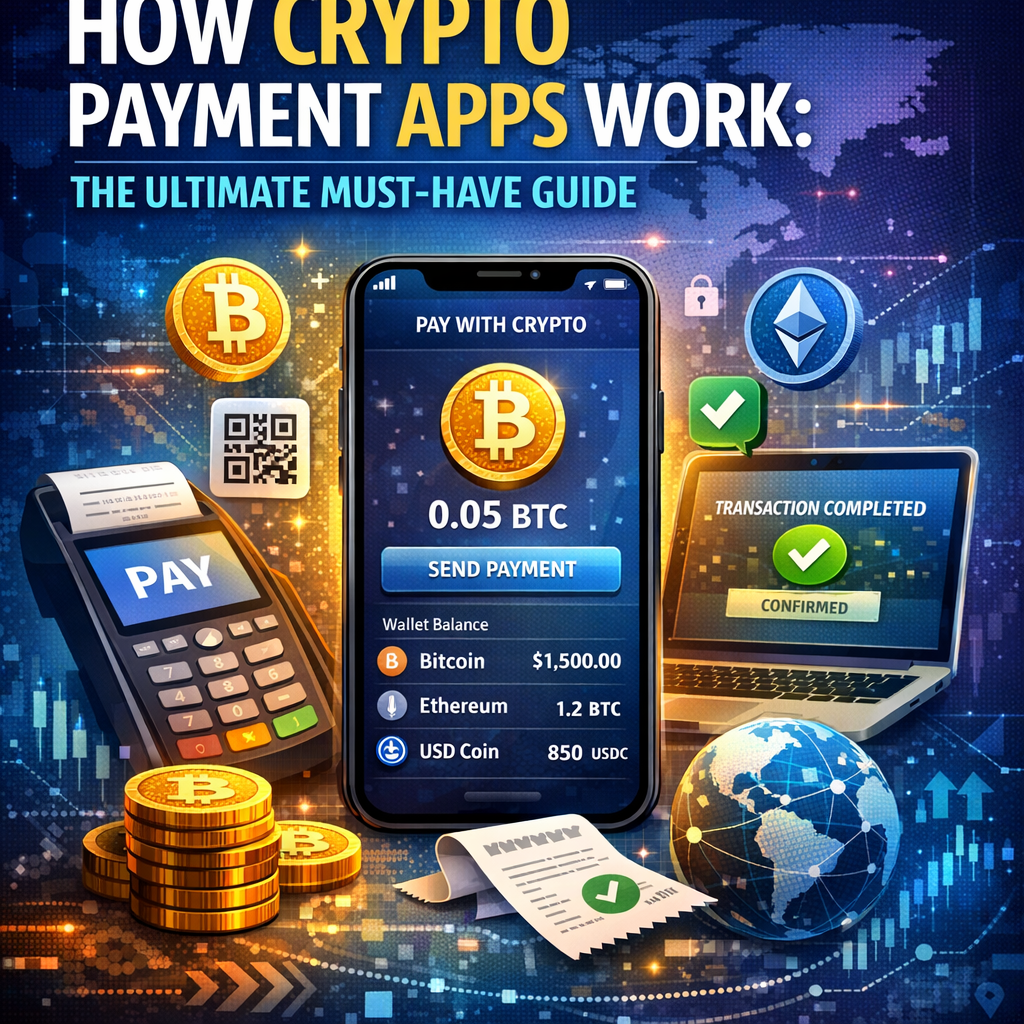
At their core, crypto payment apps are mobile or web applications that enable users to make payments and transfer cryptocurrencies securely and efficiently. Unlike traditional banking apps, they interact directly with blockchain networks, allowing users to transact with digital currencies like Bitcoin, Ethereum, Litecoin, and others without the need for intermediaries such as banks or payment processors.
These apps serve multiple purposes—including digital wallets, payment gateways, and exchange platforms—and often combine these features to facilitate seamless crypto transactions in everyday life.
How Crypto Payment Apps Works: The Basics
Understanding how crypto payment apps works requires a grasp of blockchain technology, private and public keys, and transaction verification processes:
1. Digital Wallet Integration
The cornerstone of any crypto payment app is its wallet feature. This wallet functions similarly to a conventional digital wallet but supports cryptocurrencies. Each wallet contains two crucial components:
– Public Key: Acts as an address where others can send cryptocurrency.
– Private Key: A confidential code that enables the owner to authorize and sign transactions.
When you send cryptocurrency using a crypto payment app, you essentially authorize the transfer through your private key, which proves ownership of the coins.
2. Transaction Authorization
Once you initiate a transaction, the app uses your private key to sign the transaction digitally. This signature ensures the transaction’s authenticity and protects against unauthorized spending.
3. Blockchain Confirmation
After signing, the transaction is broadcast to the relevant blockchain network. Miners or validators then verify the transaction’s legitimacy by checking that you have sufficient funds and that the transaction follows protocol rules. Once confirmed, the transaction is added to a new block in the blockchain.
4. Instant or Near-Instant Payments
Unlike traditional banking systems that may take days to settle transactions, many crypto payment apps allow near-instant transfers, especially on faster blockchains or via layer-two solutions like Lightning Network for Bitcoin.
Key Features Highlighted in a Crypto Payment Apps Guide
To fully benefit from cryptocurrency payments, your chosen app should offer several important features:
User-Friendly Interface
Since cryptocurrency is still new to many users, intuitive design simplifies sending and receiving crypto by minimizing technical jargon.
Multi-Currency Support
The best apps support multiple cryptocurrencies, giving users flexibility without needing separate wallets or apps.
Security Measures
Robust security features such as two-factor authentication (2FA), biometric logins, and encrypted private key storage are essential to protect digital assets.
Real-Time Exchange Rates
Most apps display live cryptocurrency prices with fiat currency equivalents, helping users understand the value of their transactions instantly.
Integration with Merchants
For crypto payment apps designed for businesses, features like easy invoicing, checkout plugins, and Point of Sale (POS) integrations help merchants accept crypto easily.
Advantages of Using Crypto Payment Apps
Embracing crypto payment apps comes with numerous benefits, from convenience to cost efficiencies:
– Lower Transaction Fees: Compared to credit cards and traditional bank transfers, crypto payments can offer significantly reduced fees.
– Global Accessibility: Anyone with internet access can transact globally without dealing with currency conversion or cross-border fees.
– Improved Security: Blockchain’s decentralized nature removes the risk of centralized fraud and manipulation.
– Fast Settlement: Transactions are typically faster, especially for international payments or micropayments.
– Financial Inclusion: Crypto apps empower unbanked populations by providing access to digital money without needing traditional banks.
How to Choose the Right Crypto Payment App: A Quick Guide
Selecting the right app depends on your specific needs, whether you’re an individual user or a business owner. Consider the following:
– Compatibility: Ensure the app supports the cryptocurrencies and devices you use.
– Security Standards: Check for encryption, private key control (non-custodial vs. custodial), and regulatory compliance.
– Ease of Use: Look for an intuitive interface and robust customer support.
– Reputation: User reviews and industry recognition can provide insight into reliability.
– Additional Features: Consider built-in exchanges, rewards, or loyalty programs.
The Future of Crypto Payment Apps
As blockchain technology matures, crypto payment apps are expected to become even more mainstream. Innovations like smart contract automation, decentralized finance (DeFi) integrations, and improved scalability solutions will make these apps better suited for everyday commerce. Additionally, increased regulatory clarity will likely make them more trustworthy and widely accepted.
—
Understanding how crypto payment apps works is the first step toward harnessing the full potential of cryptocurrency in daily transactions. Whether you’re looking to safeguard your assets, make faster payments, or expand your business’s payment options, crypto payment apps provide a versatile, secure, and efficient solution in the world of digital finance. This crypto payment apps guide aims to equip you with the knowledge needed to confidently explore and adopt this transformative technology.