Bitcoin Mining Risks and Rewards: Stunning Insights for Safe Success
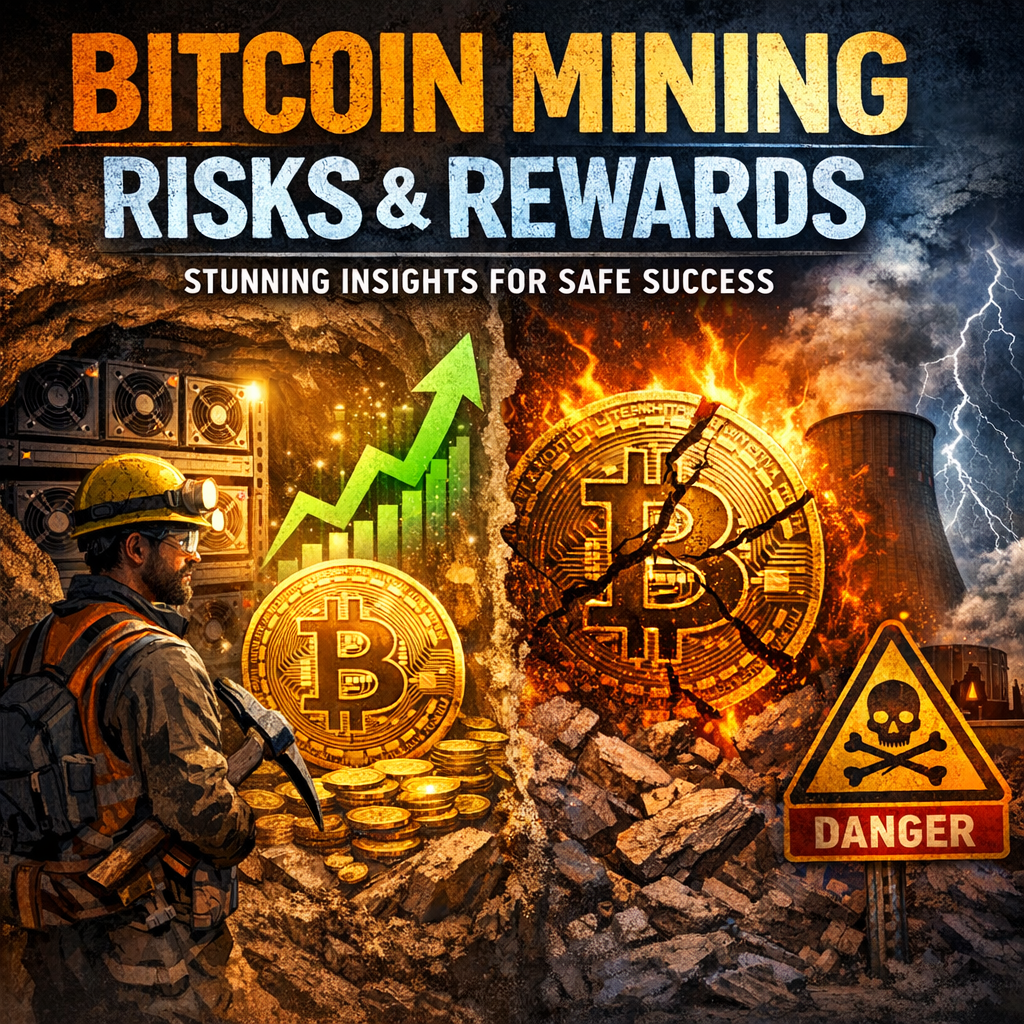
Bitcoin mining has become one of the most talked-about topics in the cryptocurrency world, drawing in enthusiasts and investors eager to capitalize on digital gold. However, before diving into this potentially lucrative activity, it is essential to understand the bitcoin mining risks and bitcoin mining rewards involved. This knowledge not only helps in safeguarding your investment but also maximizes the chances of success in this highly competitive industry.
What Is Bitcoin Mining?
Simply put, bitcoin mining is the process by which new bitcoins are created and transactions are verified on the blockchain. Miners use powerful computers to solve complex mathematical puzzles, which validate transactions and add them to the distributed ledger. In return, miners receive bitcoins as a reward, incentivizing the work needed to maintain the decentralized network.
Understanding Bitcoin Mining Rewards
The allure of bitcoin mining often lies in its rewards. The rewards primarily come in two forms:
1. Block Rewards: When a miner successfully solves a block, they receive a predetermined number of bitcoins directly as a block reward. This amount halves approximately every four years in an event called the “halving.” For instance, the block reward started at 50 bitcoins in 2009, and today it stands significantly lower, making mining gradually more challenging but still profitable under the right conditions.
2. Transaction Fees: Apart from block rewards, miners also earn transaction fees paid by users who want faster confirmation of their transactions. While usually smaller than the block reward, these fees can add a considerable amount of revenue, especially during times of network congestion.
The Importance of Recognizing Bitcoin Mining Risks
Mining is not without risks, and understanding these hazards is crucial for anyone considering involvement in the industry.
1. High Energy Consumption and Environmental Concerns
Bitcoin mining requires intense computational power, resulting in high electricity consumption. This can lead to soaring energy bills, drastically eating into profits. In regions where power costs are high, mining may even become unprofitable. Additionally, environmental concerns about the carbon footprint of mining operations have led to regulatory scrutiny in some countries, creating potential legal risks.
2. Equipment Costs and Depreciation
The hardware used in mining—typically Application-Specific Integrated Circuits (ASICs)—can be very expensive. These machines also depreciate rapidly due to constant technological advancements. What is cutting-edge today might become outdated and inefficient within months, forcing miners to keep upgrading their rigs to stay competitive.
3. Market Volatility and Profitability Uncertainty
The price of bitcoin is notoriously volatile. Fluctuations can significantly impact the profitability of mining. A sudden drop in bitcoin’s price might render mining operations unprofitable, especially if electricity and operational costs remain constant. Miners must constantly monitor market trends and adjust strategies accordingly.
4. Security Risks
Mining often involves joining mining pools or using third-party software and cloud services, which presents opportunities for cyber threats such as hacking or scams. Additionally, miners must secure their wallets and refrain from sharing sensitive information to prevent theft.
5. Regulatory Risks
Governments worldwide have different policies concerning cryptocurrency mining. Some have outright banned it, while others regulate the activity carefully. Sudden legal changes can interrupt mining operations or impose heavy fines and restrictions, creating an unpredictable landscape.
Strategies to Mitigate Bitcoin Mining Risks
Navigating the risks requires a proactive approach. Here are some proven strategies for safer mining success:
– Choose locations with affordable and reliable electricity: Energy costs are one of the biggest factors affecting profitability. Some miners relocate to countries or regions with subsidized or cheap electricity to gain an edge.
– Invest in energy-efficient hardware: Modern ASIC miners consume less energy per hash rate, helping reduce electricity bills.
– Diversify investments: Mining is just one way to engage with bitcoin. Combining mining profits with other cryptocurrency investments can reduce overall risk.
– Join reputable mining pools: Pooling resources increases the chance of consistent payouts and spreads risk.
– Stay updated on regulations: Keeping abreast of local laws and anticipated regulatory moves can help avoid unexpected disruptions.
Balancing Bitcoin Mining Rewards Against Risks
While the rewards from successfully mining bitcoins can be substantial, especially during price surges, the bitcoin mining risks cannot be ignored. It is a business that demands capital investment, ongoing operational costs, and constant attention to market and technological developments.
For many miners, the key to success lies in careful planning, continuous learning, and cautious risk management. The excitement of earning new bitcoins comes with the responsibility of understanding both the upsides and the dangers inherent in the process.
Conclusion
Bitcoin mining presents a fascinating opportunity with its unique blend of cutting-edge technology, intricate economics, and market forces. Knowing the bitcoin mining risks and bitcoin mining rewards in detail is crucial for anyone who wants to turn this complex process into a sustainable and profitable venture. With smart strategies, thoughtful investments, and vigilance, mining can offer stunning insights and pathways to safe success in the ever-evolving world of cryptocurrency.