Best Web3 Wallets Strategies: Exclusive Tips for Effortless Security
When diving into the world of decentralized finance and blockchain technology, knowing the best web3 wallets strategies is essential for ensuring your digital assets remain secure. With increasing adoption of Web3 applications, a digital wallet is no longer just a storage tool but a key gateway to managing your cryptocurrencies, NFTs, and interactions with decentralized apps (dApps). However, the complexity and risks involved can be intimidating. This article will shed light on expert methods and web3 wallets tips to help you secure your crypto assets easily and effectively.
Understanding the Importance of the Best Web3 Wallets Strategies
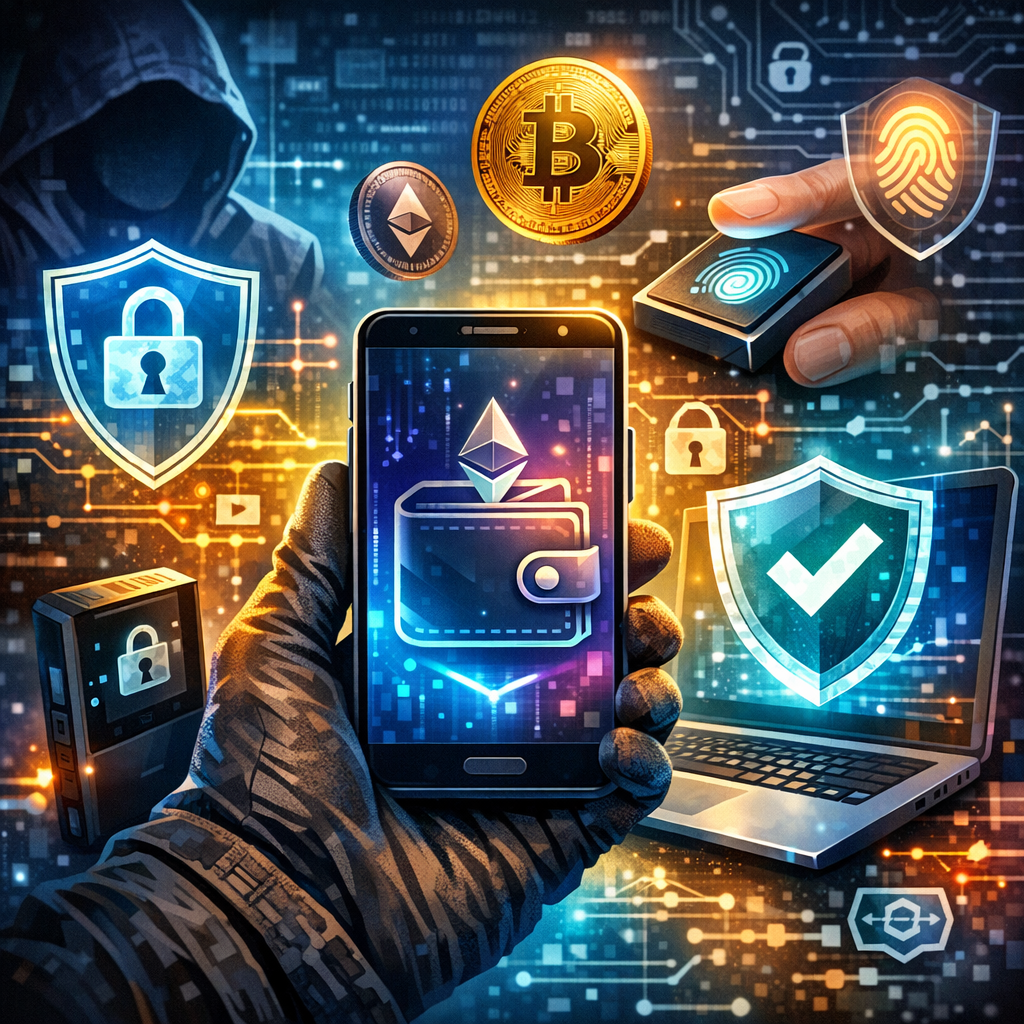
A Web3 wallet is far more than a simple software application for holding cryptocurrencies—it is a personal identity key to the decentralized internet. The wallet holds your private keys, which give you control over your assets and enable interactions with smart contracts. Failure to protect these keys can lead to irreversible loss.
Adopting the right strategies when managing these wallets significantly reduces the risk of hacking, phishing, and other common attacks. As Web3 becomes mainstream, equipping yourself with the best security practices ensures a safer, more enjoyable participation in the decentralized ecosystem.
Choosing the Right Wallet: Foundation of Best Web3 Wallets Strategies
Before implementing advanced security measures, selecting the right wallet is critical. Here’s what to look for:
– Type of Wallet: Web3 wallets come in various forms including hardware wallets, browser extensions, and mobile wallets. Hardware wallets like Ledger and Trezor are considered the safest as they store private keys offline.
– Compatibility: Ensure the wallet supports the blockchains and dApps you plan to use.
– User Experience: An intuitive interface makes it easier to manage security settings properly.
– Community and Support: Well-supported wallets are more likely to receive timely security updates and have resources for users.
By starting with a reliable and reputable wallet, you form a strong base for deploying the best web3 wallets strategies.
Best Web3 Wallets Strategies: Practical Tips for Protecting Your Assets
1. Use Hardware Wallets for Long-Term Storage
One of the best web3 wallets strategies is to separate your assets into “hot wallets” and “cold wallets.” Hot wallets remain connected to the internet and are used for daily transactions, while cold wallets, usually hardware devices, keep your bulk holdings offline and secure from online threats.
2. Enable Multi-Factor Authentication (MFA)
Where possible, activate MFA on your web3 wallet accounts, especially browser-based interfaces and associated exchange accounts. MFA adds an extra layer of security by requiring you to verify your identity via an additional device or application.
3. Regularly Update Your Wallet Software
Cyber threats evolve continuously, and wallet developers regularly release patches addressing vulnerabilities. Ignoring updates can expose you to known exploits. Always update your wallet apps promptly to maintain security.
4. Safeguard Your Seed Phrase Offline
The seed phrase is the master key to your wallet. Web3 wallets tips always emphasize the importance of never sharing this phrase online or storing it digitally. Writing your seed phrase down on a physical medium (e.g., paper or metal) and storing it securely offline reduces the chance of theft or loss.
5. Beware of Phishing Attacks and Fake Interfaces
Phishing is a common method attackers use to steal wallet credentials. Always verify the URLs of websites you connect your wallet to, especially when authorizing transactions. Bookmark trusted sites and never click on suspicious email links.
6. Limit Wallet Permissions
When interacting with dApps, always review the permissions you grant to them. Some dApps request unlimited access to your tokens, which can be risky. Adjusting or revoking permissions after use helps minimize exposure.
7. Use Separate Wallets for Different Purposes
To reduce risk, consider having distinct wallets for different activities—for instance, one wallet for trading, another for staking, and a separate one for NFT holdings. This compartmentalization limits the impact if one wallet is compromised.
Leveraging Advanced Security Features in Web3 Wallets
Some wallets now support enhanced security features like biometric access, passwordless login via hardware tokens, and integration with secure enclave chips on modern devices. Taking advantage of these innovations can make security more effortless.
Additionally, wallets that incorporate smart contract-based multi-signature schemes offer an unprecedented level of protection by requiring multiple approvals before any transaction is executed.
Final Thoughts: Staying Vigilant Is Key
While technology provides many tools to bolster wallet security, the user’s awareness and discipline remain central. Regularly learning about emerging threats, staying updated with security news, and following the best web3 wallets strategies ensure your digital wealth is resilient against the evolving cybersecurity landscape.
In conclusion, adopting a layered, informed approach to Web3 wallet management empowers you to interact confidently in the decentralized space. By utilizing hardware wallets, safeguarding key information offline, being cautious about permissions, and staying vigilant against phishing attempts, you create a robust defense that lets you experience the future of the internet safely and effortlessly.