Cold Storage Wallets Investing: The Must-Have Investor Guide to Secure Assets
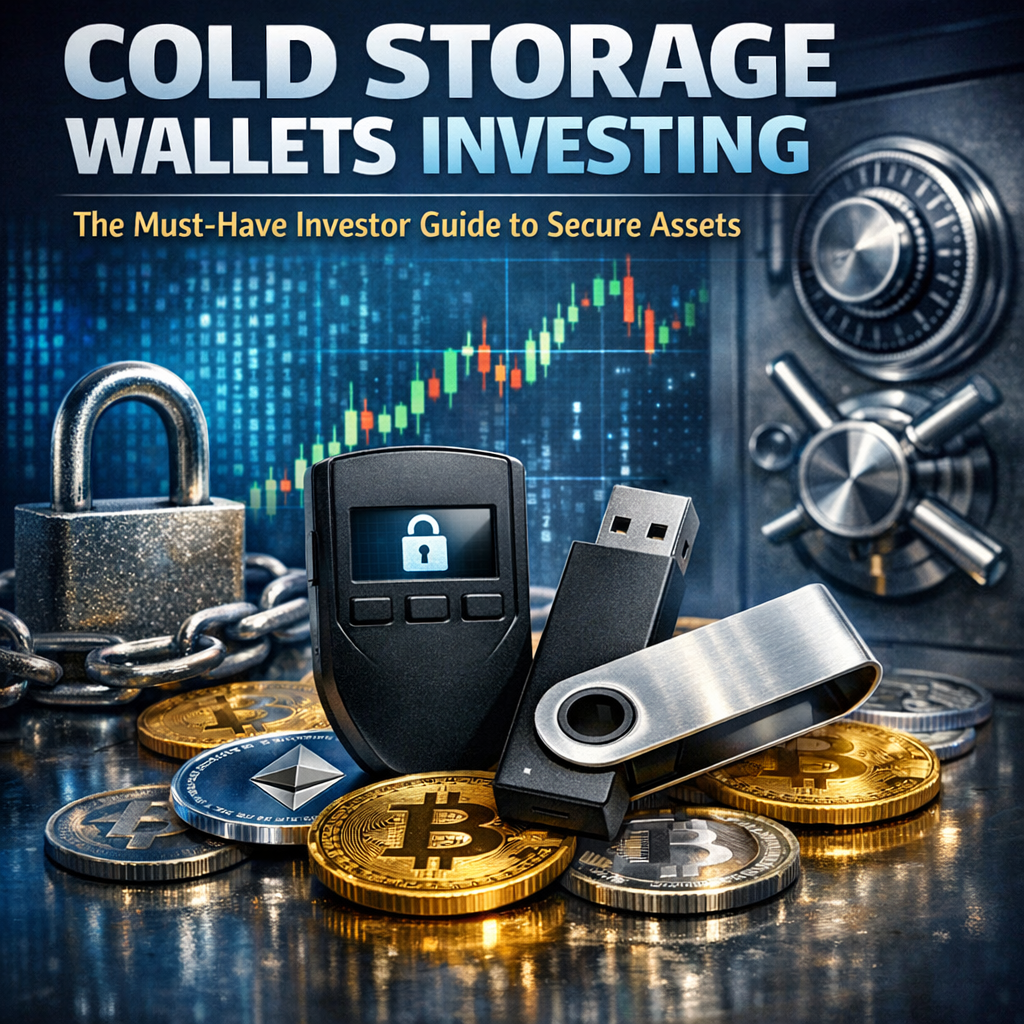
In the rapidly evolving world of digital assets, cold storage wallets investing has emerged as an essential practice for safeguarding cryptocurrencies against theft, hacking, and accidental loss. Whether you are a seasoned investor or just beginning to enter the market, understanding how to secure your assets using cold storage wallets is crucial. This investor guide to cold storage wallets will walk you through the importance of offline storage, different types of wallets, and best security practices to ensure your investments remain protected.
What Are Cold Storage Wallets?
Cold storage wallets refer to digital currency wallets that are kept offline, disconnected from any internet network, making them far less vulnerable to hacking attempts. Unlike “hot wallets,” which are connected to the internet and used for daily transactions, cold storage wallets store private keys offline, providing a secure environment for long-term asset holding.
Cold storage wallets can take several forms, including hardware wallets, paper wallets, and even physical devices that store private keys on encrypted drives. This offline functionality reduces exposure to cyber threats, phishing attacks, and malware, making them the preferred choice for investors seeking to protect significant amounts of cryptocurrencies.
Why Cold Storage Wallets Investing Is Vital for Security
The decentralization and anonymity that cryptocurrency offers come with responsibility. When you own crypto assets, you control your private keys—the only way to access and manage your funds. Unfortunately, with control comes risk. Exchange hacks, software vulnerabilities, and online scams have led to millions of dollars in losses in recent years.
Cold storage wallets investing serves as a critical security layer because:
– Offline Protection: Since the wallet is not connected to the internet, it cannot be hacked, malware cannot infiltrate it, and phishing attacks cannot compromise it.
– Ownership and Control: Investors maintain exclusive control over their private keys, eliminating dependency on third-party exchanges or wallets.
– Longevity: Cold storage is ideal for holding assets long term and avoiding risks associated with frequent online exposure.
Types of Cold Storage Wallets Investors Should Know
Understanding the different cold storage options is important for choosing the right wallet based on your investment strategy, technical know-how, and security preferences.
Hardware Wallets
Hardware wallets are physical devices purpose-built to securely generate and store private keys offline. Popular models like Ledger Nano S, Ledger Nano X, and Trezor provide robust encryption and require physical authentication for transactions. These wallets connect to your computer or phone only when signing transactions, ensuring your private keys never leave the device.
Paper Wallets
A paper wallet involves printing your private and public keys on physical paper, sometimes in the form of QR codes. While highly offline and immune to digital hacking, paper wallets must be stored carefully to avoid physical damage or loss.
Air-Gapped Devices
Some investors prefer using dedicated devices that have never been connected to the internet, known as air-gapped computers. These verify and sign transactions offline and later broadcast signed transactions via a separate internet-connected device.
The Investor Guide to Cold Storage Wallet Safety Best Practices
Security doesn’t end with choosing a cold storage wallet. The real protection lies in how you set up and maintain your device. Here are essential steps every investor should follow:
– Use Strong Seed Phrases: When setting up wallets, you’ll create a seed phrase (a backup of your private keys). Use a random, unique seed phrase and never share it with anyone.
– Store Backup Securely: Keep your backup phrase in a secure location, such as a safe or safety deposit box. Some investors opt for metal seed storage devices to protect against fire and water damage.
– Update Firmware Safely: For hardware wallets, always keep firmware updated but only through official channels to avoid malware risks.
– Use Multi-Signature Wallets: Multi-sig wallets require more than one private key approval, adding an extra layer of security for large holdings.
– Avoid Public Networks: Never initialize or access your cold storage wallets over public Wi-Fi or shared computers to mitigate man-in-the-middle attacks.
Why Cold Storage Wallets Investing Is the Future of Asset Security
As crypto adoption grows and regulatory scrutiny increases, investor education about asset protection becomes fundamental. Cold storage wallets investing helps bridge the gap between convenience and security. While exchanges and hot wallets offer ease of use for trading and access, they can never match the security levels provided by offline storage.
The increasing sophistication of cybercriminals, combined with the significant monetary value of cryptocurrency assets, means that careless storage can lead to devastating losses. Cold storage wallets allow investors to hold assets with confidence, knowing their private keys are protected from online threats.
Conclusion: Secure Your Crypto Investments Today
For any serious digital asset investor, making cold storage wallets investing a core part of your security plan can’t be overstated. This investor guide to cold storage wallets has highlighted why offline storage is a smart way to protect your funds, different wallet options, and essential security practices to adopt.
To safeguard your cryptocurrency investments, start by choosing the right cold storage wallet for your needs, follow best practices diligently, and treat your private keys with the utmost care. The peace of mind that comes with knowing your assets are secure is well worth the effort.
Invest wisely—and keep your assets safe.