Crypto Regulation Mistakes: Must-Have Tips to Avoid Costly Errors
Navigating the complex landscape of blockchain and digital currencies is no easy feat, especially when it comes to compliance and legal obligations. Crypto regulation mistakes can result in hefty fines, reputational damage, and even the shutdown of projects. As the regulatory environment continues to evolve rapidly across different jurisdictions, understanding the pitfalls and best practices is crucial for anyone involved in the crypto space—from investors and traders to startups and established enterprises.
In this article, we’ll explore the common crypto regulation mistakes and provide actionable crypto regulation tips to help you steer clear of costly errors.
Understanding Common Crypto Regulation Mistakes
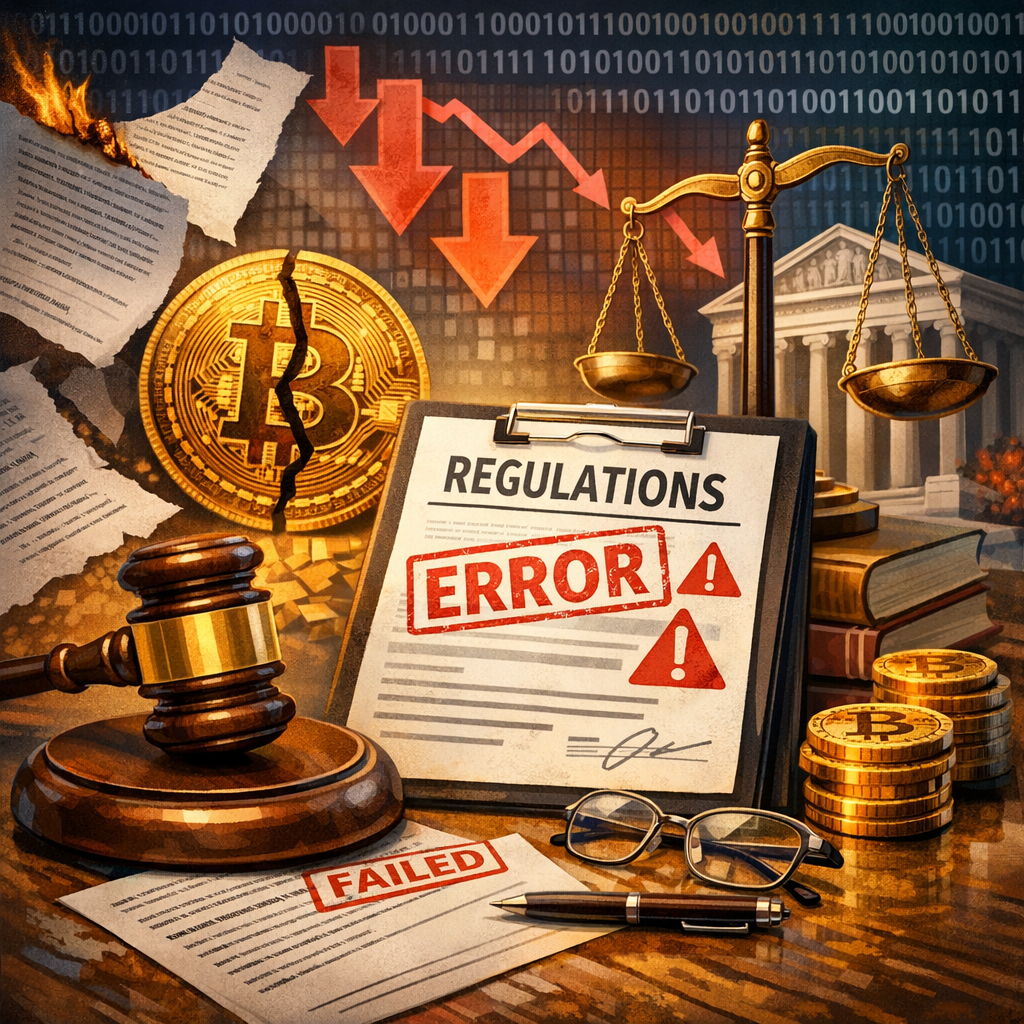
Despite the growing adoption of cryptocurrencies worldwide, many individuals and companies still underestimate or misunderstand the legal frameworks governing their activities. Here are some of the most frequent crypto regulation mistakes made today:
1. Ignoring or Underestimating Regulatory Requirements
One of the biggest errors is assuming that crypto assets operate in a regulatory vacuum. In reality, many jurisdictions impose strict regulations on how cryptocurrency transactions, offerings, and exchanges must be conducted. Ignoring these rules can lead to non-compliance charges and legal actions.
For example, failing to register as a money services business (MSB) or neglecting anti-money laundering (AML) requirements can expose enterprises to regulatory scrutiny.
2. Misclassifying Crypto Assets
Classification of crypto assets is not standardized globally. Tokens can be deemed securities, commodities, or digital goods depending on their functionality and jurisdiction. This ambiguity means that improper classification is a common blunder.
Misclassification can lead to violations of securities laws or other regulatory statutes, resulting in penalties.
3. Inadequate Know Your Customer (KYC) and AML Procedures
Regulators worldwide expect crypto platforms to implement robust KYC and AML checks to prevent fraud, money laundering, and terrorist financing. Many startups fail to establish adequate compliance systems, leaving gaps that regulators are quick to penalize.
4. Failure to Stay Updated on Regulatory Changes
Crypto laws are evolving continually, influenced by technological advancements, political considerations, and market dynamics. Businesses that do not maintain up-to-date knowledge risk falling behind and inadvertently violating new rules.
Crypto Regulation Tips: Best Practices to Avoid Costly Errors
To navigate the regulatory landscape effectively, adopting a proactive approach is vital. Here are essential crypto regulation tips designed to help mitigate risks and ensure compliance:
1. Conduct Comprehensive Legal Research and Consultation
Before launching any crypto-related venture, conduct thorough research regarding the regulatory requirements in all jurisdictions where you or your customers operate. Engage qualified legal counsel specializing in cryptocurrency law to fully understand your obligations.
Legal experts can assist in correctly classifying your tokens, structuring offerings, and designing compliant processes to avoid regulatory pitfalls.
2. Maintain Transparent and Accurate Records
Keeping meticulous records of transactions, customer identification data, and compliance checks is not just best practice but often a legal mandate. Transparent documentation facilitates smooth audits and investigations, reducing the risk of penalties.
3. Implement Robust KYC and AML Controls
Employ automated and manual identity verification procedures that comply with regulatory standards. AML monitoring tools should detect suspicious activities and trigger timely reporting to the relevant authorities. Continuously revising these processes as regulations evolve is equally essential.
4. Stay Informed About Regulatory Developments
Subscribe to trusted regulatory news sources, participate in industry forums, and consult regularly with legal advisors. Awareness of emerging legislation allows you to adapt business models swiftly and avoid inadvertent breaches.
5. Foster a Culture of Compliance
Compliance should be integrated into the organizational culture rather than treated as a mere checkbox. Training employees at all levels about regulatory obligations, ethical practices, and risk management can dramatically reduce inadvertent mistakes.
6. Embrace Regulatory Technology (RegTech)
Leveraging RegTech solutions automates compliance tasks such as KYC, transaction monitoring, and reporting. These tools not only improve accuracy and efficiency but also provide audit trails to demonstrate compliance during regulatory reviews.
Conclusion
Avoiding crypto regulation mistakes is paramount for sustaining growth and trust in the rapidly expanding cryptocurrency market. Legal compliance is no longer optional—it’s a foundational pillar that ensures your long-term success and shields you from costly legal repercussions.
By following these prudent crypto regulation tips—conducting thorough research, implementing rigorous KYC/AML procedures, maintaining accurate records, staying updated, and embracing technology—you can significantly reduce risks and confidently advance in the complex world of digital assets. Staying vigilant and proactive is the best defense against the pitfalls that many crypto businesses face today.