Crypto Scams for Beginners: Must-Have Guide to Avoid Costly Pitfalls
Entering the world of cryptocurrency can be both exciting and overwhelming, especially for those who are new to the space. Unfortunately, the rise of digital currencies has also led to an increase in crypto scams for beginners, as fraudsters target newcomers who may not yet be familiar with the common tactics used to deceive investors. This guide will help you understand the most prevalent beginner crypto scams, how they operate, and the essential steps you can take to protect your assets and avoid costly mistakes.
Understanding Common Crypto Scams for Beginners
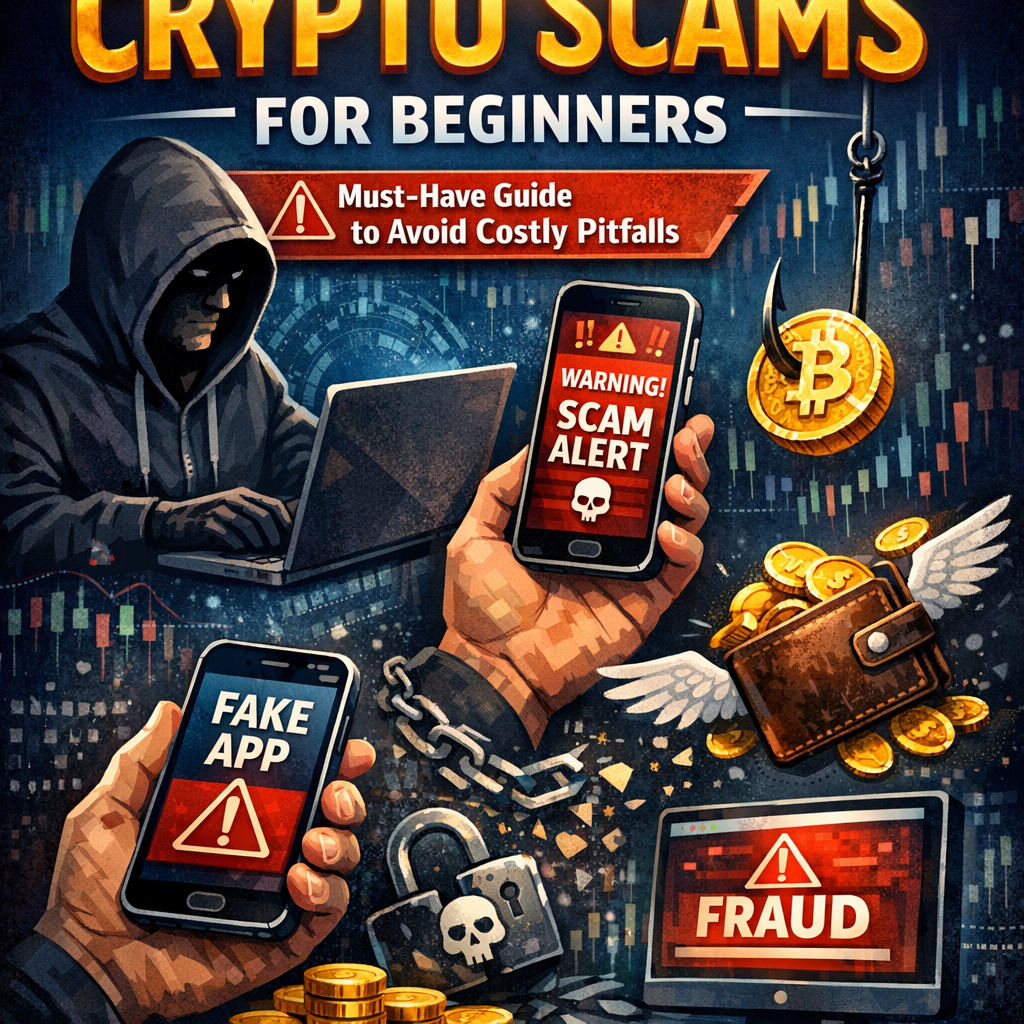
As a beginner, recognizing the different types of scams is the first step toward safeguarding your investment. Scammers use an array of strategies designed to exploit the lack of experience and caution typically found among new crypto users. Here are some of the most common scams you should be aware of:
1. Fake Initial Coin Offerings (ICOs)
ICOs are a popular way for new projects to raise capital, but many fraudulent schemes disguise themselves as legitimate ICOs. These fake ICOs promise huge returns and exclusive tokens but disappear once they collect investment money. Always conduct thorough research on a project, check the team’s credentials, and review community feedback before investing.
2. Phishing Attacks
Phishing scams trick beginners into providing sensitive information like private keys, passwords, or seed phrases. Scammers often send emails or messages pretending to be from trusted exchanges or wallets, urging users to click on malicious links. Never share your private keys or passwords, and verify the authenticity of any communication before clicking on links.
3. Ponzi and Pyramid Schemes
These scams promise high returns to early investors, funded by new participants’ investments rather than actual profits. As soon as recruiting slows, the scheme collapses, leaving most investors with significant losses. Be skeptical of any opportunity promising guaranteed returns or exponential growth with minimal risk.
4. Fake Wallets and Apps
Scammers create counterfeit wallets or mobile apps designed to steal crypto assets once downloaded or connected. Always download software only from official sources such as the project’s website or trusted app stores, and check user reviews for authenticity.
How to Avoid Beginner Crypto Scams
Avoiding crypto scams for beginners requires vigilance, education, and a few proactive practices. Here are essential tips that every newcomer should follow:
Educate Yourself Continuously
The crypto space evolves quickly, and becoming familiar with its terms, technologies, and typical red flags can significantly reduce your risk of falling victim to scams. Use reputable websites, forums, and educational resources to stay informed.
Verify Information Through Multiple Sources
Don’t rely on a single source, especially social media or unofficial channels, for investment advice or project legitimacy. Cross-check details, look for reviews, and seek opinions from established crypto communities like Reddit or specialized forums.
Use Secure Wallets and Exchanges
Choose wallets and exchanges with robust security measures, including two-factor authentication (2FA), cold storage, and a track record of security. Well-known platforms are less likely to be involved in scams or fraud.
Be Wary of High-Pressure Sales Tactics
Scammers often push urgent requests to create panic and rush decisions. Legitimate crypto investments don’t require immediate action. Always take your time to think critically before investing or sharing personal information.
Protect Your Private Keys
Your private key is your ultimate security tool in crypto. Never share it with anyone, and avoid storing it digitally in unsecured locations. Hardware wallets are one of the safest options to store your crypto assets offline.
What to Do If You Suspect a Crypto Scam
If you encounter suspicious activity or believe you might have been targeted by a scam, act immediately:
– Stop any transactions: Do not send more funds to the suspicious account.
– Change passwords: Secure your related accounts by updating passwords and enabling two-factor authentication.
– Report the scam: Notify relevant authorities, including regulatory bodies, cryptocurrency exchanges, and online platforms where the scam occurred.
– Seek community support: Forums and crypto groups can often help you verify and understand the situation better.
Final Thoughts on Crypto Scams for Beginners
Navigating the cryptocurrency market can be rewarding, but it requires a cautious approach to avoid falling into the traps of beginner crypto scams. The key is to stay informed, verify sources, and protect your personal and financial information vigilantly. By approaching crypto investments with a healthy dose of skepticism and due diligence, you can enjoy the benefits of digital currency without exposing yourself to unnecessary risks.
Remember, if something seems too good to be true, it probably is—always trust your instincts and invest wisely.