Crypto Scams Trends: Must-Have Insights on Latest Crypto Scams
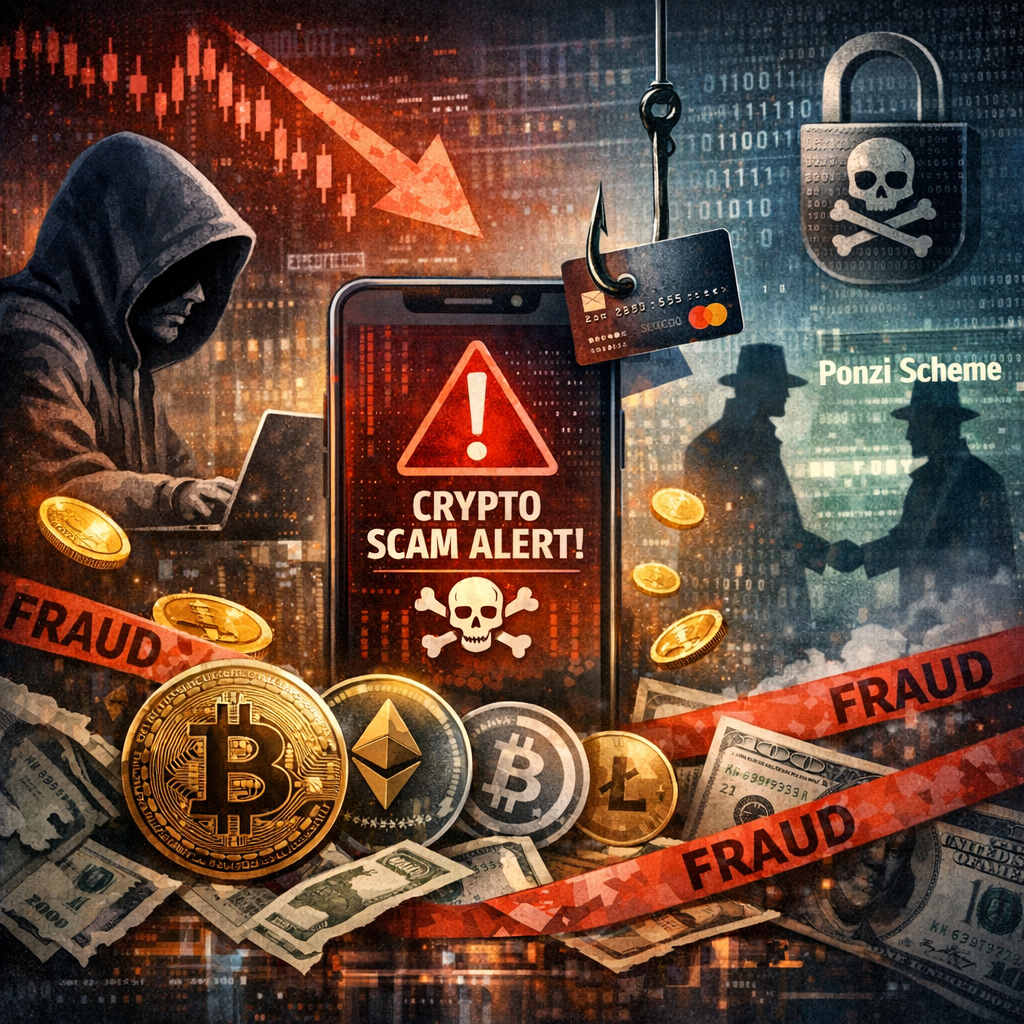
In recent years, crypto scams trends have seen a significant rise, reflecting the rapid growth and increasing adoption of cryptocurrencies worldwide. As more people explore the benefits of digital assets, scammers have become increasingly sophisticated, exploiting vulnerabilities and promising unrealistic returns to lure unsuspecting victims. Understanding the latest crypto scams is essential for investors and enthusiasts alike to protect their assets and navigate the volatile world of cryptocurrencies safely.
Understanding the Rise in Crypto Scams Trends
The surge in crypto scams trends is closely tied to the explosive growth of the cryptocurrency market. With a wide array of tokens, decentralized finance (DeFi) platforms, and non-fungible tokens (NFTs) gaining popularity, scammers take advantage of the complexity and unfamiliarity many people have with these technologies. Furthermore, the decentralized and largely unregulated nature of the crypto space provides ample opportunities for malicious actors to operate with relative impunity.
One reason crypto scams have become so prevalent is the promise of high returns. Many scam schemes boast remarkable profits in short periods, attracting both novice and experienced investors eager to capitalize on the crypto boom. Unfortunately, these promises often turn out to be too good to be true, resulting in significant financial losses.
Latest Crypto Scams: What to Watch Out For
Staying informed about the latest crypto scams can help investors spot red flags early on. Here are some of the most common and dangerous scams currently trending in the crypto ecosystem:
1. Rug Pulls in DeFi Projects
Rug pulls are a form of exit scam common in DeFi, where developers create a new project, encourage investments, and then withdraw all funds, leaving investors empty-handed. These scams often involve fake liquidity pools or tokens with artificially inflated values that collapse when the developers disappear.
DeFi projects are particularly vulnerable because they operate on smart contracts that are often unaudited or contain hidden backdoors enabling project creators to drain funds at will. Before investing in any DeFi platform, thorough research on the team, code audits, and community feedback is crucial.
2. Phishing Attacks and Fake Wallets
Phishing remains a persistent threat in the crypto space. Scammers create fake websites, emails, or apps that mimic legitimate wallets or exchanges to steal private keys and login credentials. Once compromised, victims lose access to their funds permanently, as crypto transactions are irreversible.
Users should always verify website URLs, avoid clicking on suspicious links, and enable two-factor authentication whenever possible. Using hardware wallets or reputable wallet apps can also reduce exposure to phishing.
3. Pump and Dump Schemes
Pump and dump schemes manipulate the market by artificially inflating the price of a cryptocurrency through coordinated buying and promotional hype, only to sell off holdings at the peak, leaving others with worthless tokens. These schemes are particularly common in low-market-cap altcoins with limited liquidity.
Investors should be cautious of sudden price spikes accompanied by aggressive marketing on social media platforms and should avoid participating in hype-driven investments without solid fundamentals.
4. Impersonation and Celebrity Endorsement Scams
Scammers often impersonate celebrities, industry leaders, or company executives to promote fake giveaways or investment opportunities. These scams exploit the trust and authority associated with well-known figures to convince victims to send funds or share confidential information.
Always verify endorsements through official channels, and be skeptical of investment offers that require upfront payments or ask for private keys.
5. Fake Initial Coin Offerings (ICOs) and NFTs
Despite increased regulation, fake ICOs and NFT projects continue to trick investors into contributing funds to non-existent or worthless tokens. Some fake NFT collections mimic popular artists or projects to attract purchases, only to disappear after collecting money.
Ensure project legitimacy by researching the team, checking community presence, and looking for independent reviews before participating.
How to Protect Yourself from Latest Crypto Scams
Given the sophistication and variety of crypto scams, personal vigilance is paramount. Here are key tips to safeguard your investments:
– Educate Yourself Continuously: Stay updated with the latest news and scam trends from reputable sources in the crypto community.
– Use Reputable Platforms: Stick to well-known exchanges and wallets with strong security measures.
– Verify Every Claim: Conduct independent research before investing, especially if the offer promises unusually high returns.
– Secure Your Private Keys: Never share your private keys, passwords, or seed phrases—these are the keys to your crypto assets.
– Enable Security Features: Use multi-factor authentication and consider hardware wallets for long-term storage.
– Be Skeptical of Promotional Hype: If something sounds too good to be true, it probably is.
Conclusion: Staying Ahead of Crypto Scams Trends
As the crypto market evolves, so do crypto scams trends. The latest crypto scams demonstrate how scammers adapt quickly to new technologies and market behaviors. Educating yourself about common scam tactics and adopting strong security practices can significantly reduce your risk of falling victim.
Remember, the decentralized nature of cryptocurrencies offers vast opportunities but also demands a higher level of personal responsibility and caution. Stay informed, verify every opportunity, and don’t rush into investments based on hype—your vigilance is the best defense against crypto scams.