Ethereum Layer 2 for Beginners: A Must-Have Guide to Effortless Scaling
Ethereum Layer 2 for beginners might sound like a complicated concept, but it’s actually one of the most exciting advancements in blockchain technology designed to make Ethereum faster, cheaper, and more efficient. As Ethereum’s popularity grows, so does the demand on its network, leading to high transaction fees and slower processing times. Layer 2 solutions aim to address these challenges and open the door for mass adoption. This guide will walk you through everything you need to know to understand Layer 2 and why it’s essential for the future of Ethereum.
What Is Ethereum Layer 2?
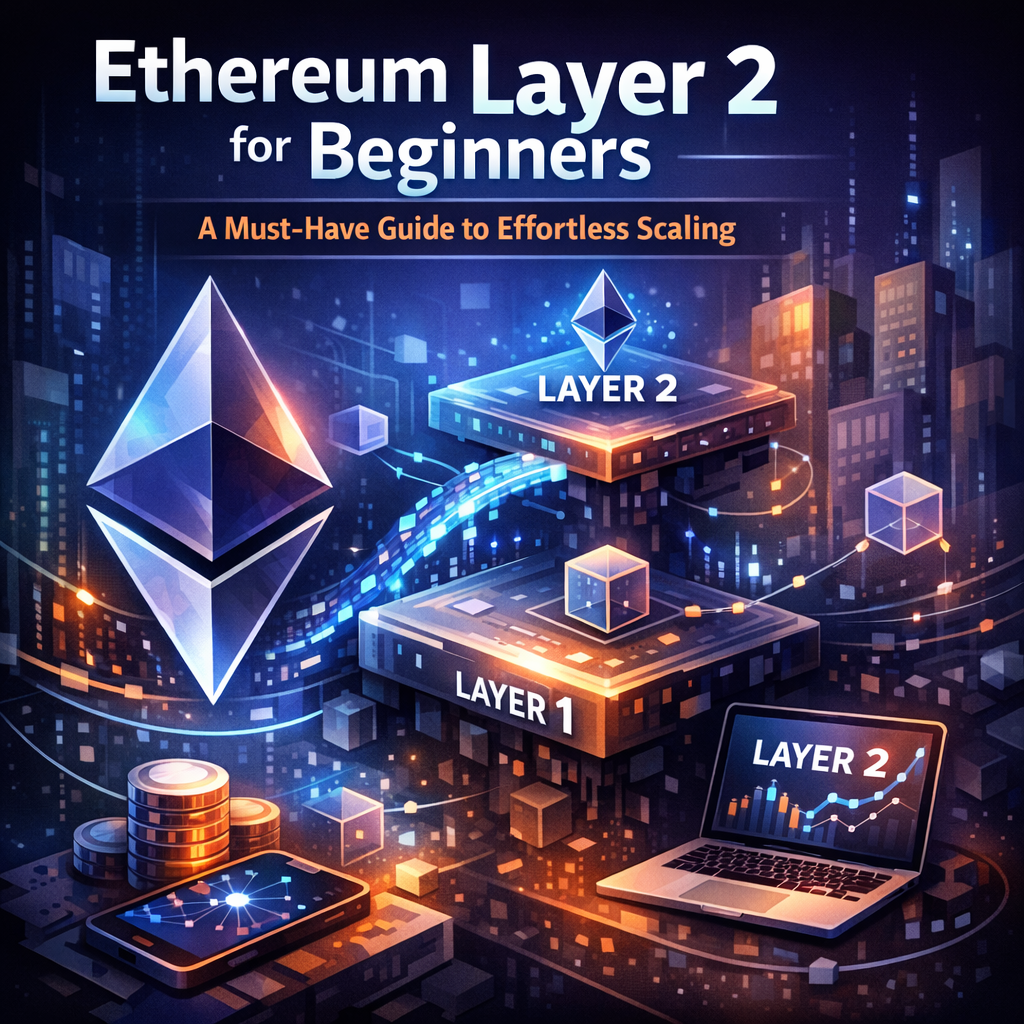
Before diving deeper, let’s clarify what Layer 2 means in the Ethereum context. The Ethereum blockchain itself is considered Layer 1, where all transactions and smart contracts are processed and recorded on the main chain. However, this main chain has limitations in terms of speed and cost due to its consensus mechanism and the need for decentralization and security.
Ethereum Layer 2 refers to secondary protocols or solutions built on top of the main Ethereum blockchain that process transactions off-chain or in a more scalable manner, while still relying on Ethereum’s underlying security. Think of it as taking some of the traffic off a busy highway and putting it on parallel roads that connect back to the main highway. This dramatically reduces congestion and cost while maintaining the trust and security the main chain provides.
Why Ethereum Layer 2 Is Vital for Scaling
As the number of users and applications on Ethereum has exploded, so have gas fees — the transaction costs paid to miners or validators. For newcomers, these fees can be prohibitively expensive, turning many away from using decentralized apps (dApps) or engaging with NFTs, DeFi, and more.
Ethereum Layer 2 solutions tackle this by allowing transactions to be bundled together and verified collectively or by shifting operations off the main chain entirely. This approach lowers fees and increases the speed at which transactions are confirmed, making Ethereum far more accessible.
Beginner Ethereum Layer 2 Solutions Explained
There are several types of Layer 2 solutions, but for beginner Ethereum Layer 2 users, it helps to start with the most common types:
1. Rollups
Rollups are currently the most popular Layer 2 scaling approach. They aggregate multiple transactions into a single batch, then submit this batch to the Ethereum mainnet. There are two main types:
– Optimistic Rollups: Assume transactions are valid by default and only run checks if fraud is suspected.
– Zero-Knowledge (ZK) Rollups: Use cryptographic proofs to verify correctness immediately.
Both types enable much higher throughput and lower fees than using Ethereum Layer 1 alone.
2. Sidechains
Sidechains are independent blockchains running in parallel with Ethereum. They have their own consensus mechanisms but interact with Ethereum via bridges. Though not as tightly secured by Ethereum itself, sidechains offer scalability for applications willing to trade a bit of security for speed and low fees.
3. State Channels
State channels allow users to transact off-chain as many times as they want and only record the net result on the Ethereum mainnet. This is particularly useful for micropayments and gaming but requires both parties to stay online during transactions.
How to Get Started with Ethereum Layer 2 for Beginners
Getting started with Ethereum Layer 2 as a beginner might seem daunting, but it’s easier than you think. Here are the steps you can follow:
Step 1: Choose a Layer 2 Network
Popular Layer 2 networks include Arbitrum, Optimism, and zkSync. Each has different strengths, user bases, and supported dApps, so research which fits your needs.
Step 2: Set Up Your Wallet
Your typical Ethereum wallet (like MetaMask) can connect to Layer 2 networks via network switches or dedicated bridges. You may need to deposit some ETH onto the Layer 2 network using an official bridge.
Step 3: Use Layer 2 Compatible dApps
Explore decentralized applications that support Layer 2 solutions to experience lower transactions fees and faster confirmations. DeFi platforms, NFT marketplaces, and games are progressively integrating Layer 2.
Step 4: Withdraw Back to Ethereum Layer 1 (if needed)
If you want to move your assets back to the Ethereum mainnet, you can use the withdraw function through bridges, although withdrawals might take some time depending on the solution.
Benefits of Learning About Ethereum Layer 2 Early
For anyone new to blockchain or Ethereum, understanding Layer 2 is crucial:
– Cost Efficiency: Avoid crippling gas fees that make small transactions impractical.
– Speed: Enjoy near-instant transactions, improving user experience.
– Broader Access: Engage with more dApps, games, and DeFi protocols that rely on Layer 2.
– Future Proofing: As Ethereum moves towards full Layer 2 adoption, early knowledge positions you ahead in the crypto space.
Common Challenges and Misconceptions
While Ethereum Layer 2 is powerful, beginners often worry about security and complexity. Remember:
– Layer 2 solutions inherit strong security guarantees from Ethereum.
– Bridges provide safe ways to move assets between Layer 1 and Layer 2 but always use official or well-known options.
– Some solutions might take longer to withdraw funds back, but this trade-off is part of how security is ensured.
Conclusion
For anyone stepping into the world of Ethereum, grasping the concept of Layer 2 is no longer optional — it’s essential. Whether you’re looking to save on fees, speed up transactions, or simply explore the fast-growing decentralized ecosystem, understanding Ethereum Layer 2 for beginners will set you up for success. The scaling solutions are improving daily, and more dApps are adopting these technologies, making Layer 2 the gateway to effortless and cost-effective Ethereum use.
By starting your journey with Layer 2 today, you’ll enjoy a smoother and more affordable Ethereum experience while staying ready for the network’s promising future.