Ethereum Layer 2 Investing: The Ultimate Must-Have Investor Guide
Ethereum layer 2 investing has emerged as a game-changer in the blockchain ecosystem, drawing significant attention from savvy investors eager to tap into scalable and efficient blockchain solutions. With the rise of decentralized applications (dApps) and the growing demands on the Ethereum network, layer 2 technologies offer practical solutions that enhance transaction speeds and reduce costs—making them a compelling addition to any investor’s portfolio. This article serves as a comprehensive investor guide to ethereum layer 2, helping you understand what these technologies are, why they matter, and how you can navigate investment opportunities in this rapidly evolving space.
What Is Ethereum Layer 2?
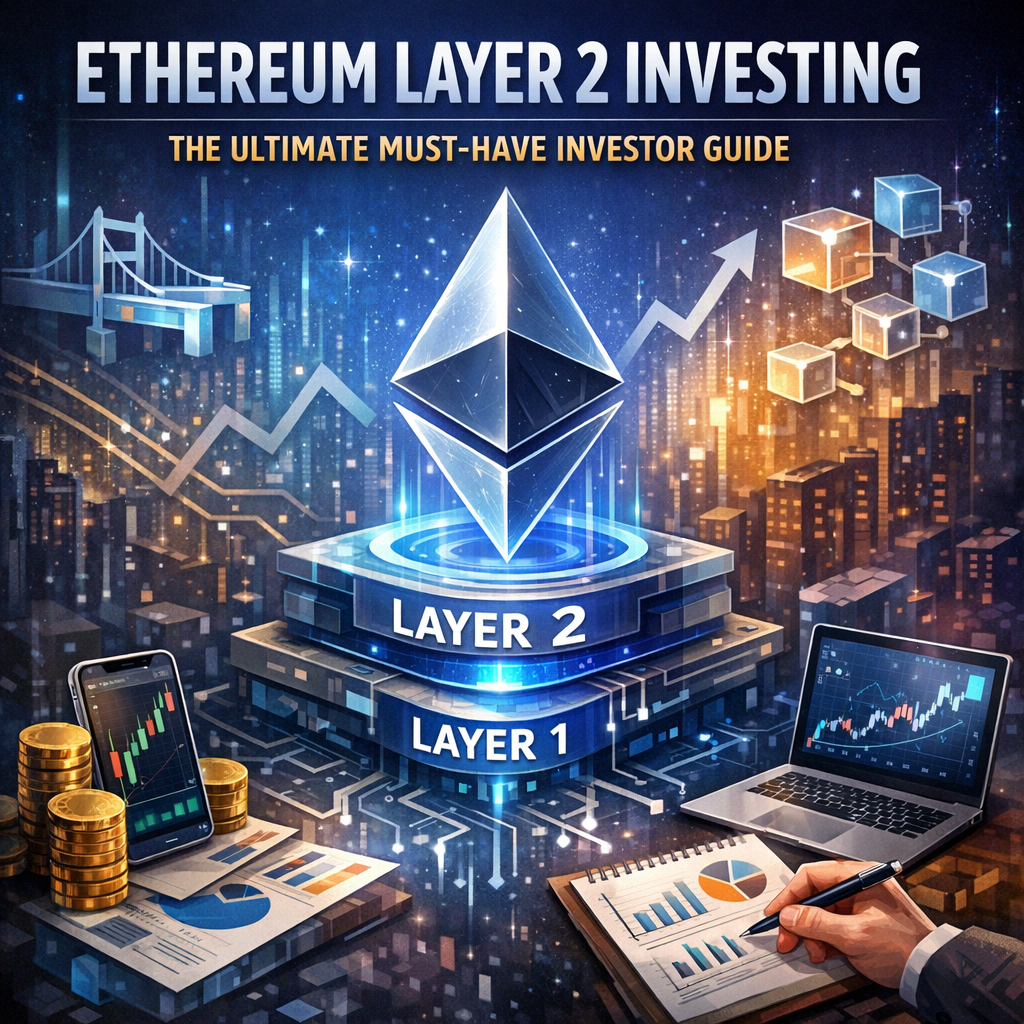
Understanding ethereum layer 2 investing begins with grasping what layer 2 solutions actually are. The Ethereum mainnet, often called “layer 1,” faces challenges with congestion, slow transaction speeds, and high gas fees, especially during periods of high activity. Ethereum layer 2 refers to secondary frameworks or protocols built on top of the Ethereum blockchain that handle transactions off the main chain while relying on layer 1 for security and decentralization.
By offloading the bulk of transactional data and computation, layer 2 solutions drastically improve scalability, enabling Ethereum to process thousands of transactions per second instead of just a handful. Examples of popular layer 2 solutions include Optimistic Rollups, zk-Rollups, and sidechains, each with its own approach to balancing speed, security, and decentralization.
Why Ethereum Layer 2 Investing Is Attracting Attention
As an investor, why should you care about ethereum layer 2 investing? The answer lies in its capacity to unlock the true potential of Ethereum, widely considered the foundation of DeFi (decentralized finance) and NFTs (non-fungible tokens). High gas fees and slow confirmation times have been roadblocks to mass adoption on Ethereum, limiting certain dApps and projects from flourishing.
Layer 2 solutions are rapidly changing this dynamic by:
– Reducing transaction costs: With cheaper fees, more users can participate in Ethereum-based activities.
– Increasing transaction throughput: Fast processing enables gaming, payments, and DeFi strategies that were previously impractical.
– Enhancing user experience: Smoother interactions attract more mainstream users, fueling ecosystem growth.
For investors, this means that projects rooted in or leveraging layer 2 innovations have substantial growth potential. Layer 2 also diversifies the Ethereum ecosystem, offering new token opportunities and infrastructure investments beyond the mainnet.
Key Types of Ethereum Layer 2 Solutions to Watch
Knowing the different types of layer 2 solutions can help you identify promising investments. Here are the main categories:
Optimistic Rollups
Optimistic Rollups increase transaction throughput by batching multiple transactions off-chain and submitting them as a single proof on the Ethereum mainnet. They “optimistically” assume transactions are valid but allow for fraud proofs if discrepancies arise. Projects like Optimism and Arbitrum are pioneers in this area and have attracted impressive developer activity.
zk-Rollups
Zero-knowledge rollups (zk-Rollups) use cryptographic proofs to instantly validate transaction batches, making them both highly secure and efficient. zkSync and StarkNet are examples of zk-Rollup platforms gaining momentum due to their scalability and privacy enhancements.
Sidechains
Sidechains are independent blockchains running parallel to Ethereum, connected via bridges that enable asset transfer. While less tightly integrated than rollups, sidechains like Polygon have achieved widespread use through their speed and cost benefits.
Investor Guide to Ethereum Layer 2: Strategic Tips
When looking at ethereum layer 2 investing, here is an investor guide to ethereum layer 2 that will help you make informed decisions:
1. Evaluate Project Fundamentals
Understand the use case and technology of the layer 2 projects you are considering. Look for experienced teams, strong developer ecosystems, and real-world adoption. Layer 2 platforms with active integrations and partnerships often indicate lasting value.
2. Consider Token Utility and Governance
Some layer 2 protocols issue native tokens used for governance, staking, or transaction fees. Assess whether the token has real utility within the platform and whether governance structures allow token holders to influence development direction.
3. Analyze Security and Decentralization
Layer 2 solutions must be secure and decentralized enough to trust long-term. Research audits, code transparency, and community consensus mechanisms. A secure foundation helps protect your investment against exploits or vulnerabilities.
4. Monitor Ecosystem Growth
A growing dApp ecosystem facilitates network effects, driving user adoption and increasing token value. Track metrics like total value locked (TVL), number of active users, and new project launches on layer 2 platforms.
5. Stay Updated on Ethereum 2.0 Developments
Ethereum’s own transition to Ethereum 2.0 (consensus layer upgrade) will affect layer 2 solutions. Changes in the mainnet’s scalability might alter layer 2 dynamics, so staying current with upgrades and roadmaps is crucial.
Risks and Challenges in Ethereum Layer 2 Investing
While layer 2 solutions offer exciting opportunities, potential investors should be aware of risks:
– Technical Complexity: Layer 2 technologies are technically sophisticated, which may lead to unforeseen bugs or vulnerabilities.
– Regulatory Uncertainty: As DeFi and crypto regulations evolve, layer 2 projects could face compliance hurdles.
– Market Volatility: Token prices in the crypto ecosystem can be highly volatile, affecting investment value.
– Interoperability Issues: Cross-chain bridges can be targets for hacks, and less interoperability might limit growth for some layer 2 platforms.
Final Thoughts
Ethereum layer 2 investing represents a frontier within the blockchain sector, blending cutting-edge technology with practical use cases that solve Ethereum’s scaling dilemmas. This investor guide to ethereum layer 2 illustrates the vast potential and strategic considerations you need to grasp before diving in.
By focusing on solid projects, understanding the underlying technology, and keeping an eye on ecosystem growth, investors can position themselves to benefit from Ethereum’s evolution. As the crypto world advances, layer 2 solutions will undoubtedly remain pivotal in shaping the next era of decentralized innovation—and smart investors will want to be part of that journey.