Ethereum Wallets Explained: Must-Have Basics for Effortless Security
Understanding ethereum wallets explained is essential for anyone looking to participate in the blockchain ecosystem securely and efficiently. As cryptocurrency continues to gain popularity, more users are diving into Ethereum — the world’s leading platform for decentralized applications and smart contracts. However, managing your Ethereum assets safely requires a sound grasp of the wallets that store your digital tokens. This guide will walk you through the ethereum wallets basics, helping you confidently choose and use wallets that fit your needs while protecting your investments.
What Are Ethereum Wallets?
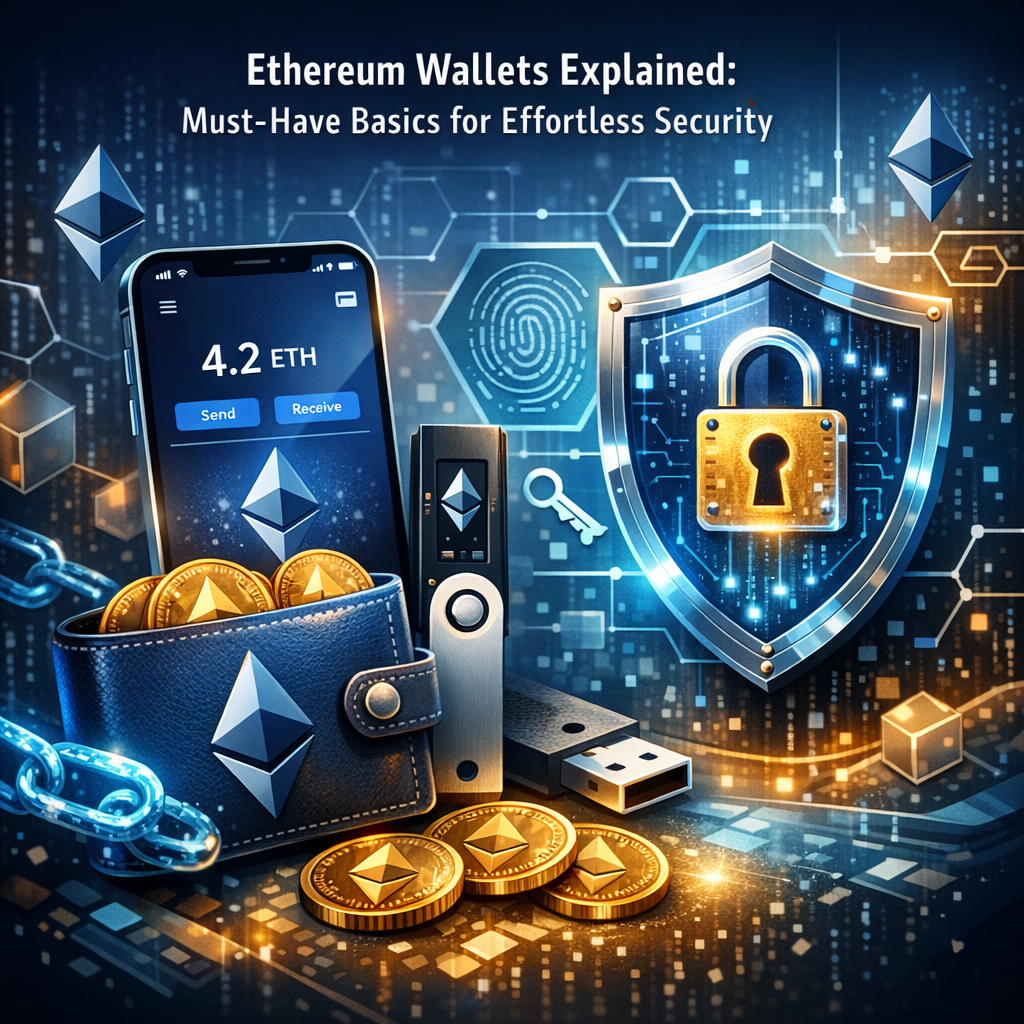
At its core, an Ethereum wallet is a software program or hardware device that stores your private and public keys, enabling you to interact with the Ethereum network. While the tokens themselves live on the blockchain, wallets act as interfaces allowing you to send, receive, and manage Ether (ETH) and other ERC-20 tokens.
Without a wallet, you won’t be able to access your funds or participate in the decentralized finance (DeFi) ecosystem, buy NFTs, or deploy smart contracts. Therefore, grasping the ethereum wallets explained basics is a crucial first step toward a safe and seamless crypto experience.
Understanding Ethereum Wallets Basics: Types and Features
There are several types of Ethereum wallets, each catering to different security preferences and usage scenarios. Knowing these distinctions helps you make informed decisions.
1. Software Wallets
Software wallets are applications or browser extensions designed for convenience and accessibility. They can be further divided into:
– Hot Wallets: Connected to the internet and easy to use. Examples include MetaMask, Trust Wallet, and Coinbase Wallet.
– Desktop Wallets: Installed on your computer, offering more control. Examples are Exodus and Atomic Wallet.
While hot wallets offer great usability, they are more vulnerable to hacks, highlighting the importance of backups and secure passphrases.
2. Hardware Wallets
Hardware wallets like Ledger Nano S/X and Trezor store your private keys offline on a physical device. Since they remain disconnected from the internet when not in use, hardware wallets provide the highest security for long-term asset storage, making them a staple for serious investors.
3. Paper Wallets
Paper wallets are physical printouts containing your private and public keys, often in the form of QR codes. They offer offline security but require careful handling to avoid damage or loss.
How Ethereum Wallets Work: The Technology Behind It
Ethereum wallets generate and store private keys — long alphanumeric strings that prove ownership of your Ether and tokens. Through cryptographic algorithms, the private key enables you to sign transactions, while the corresponding public key allows others to send assets to your wallet address, derived from the public key.
Understanding these fundamentals clarifies why losing your private key means losing access to your funds permanently. There is no way to recover it if forgotten or stolen, emphasizing the need for secure backup solutions.
Key Security Practices for Using Ethereum Wallets
Security is the cornerstone of any effective Ethereum wallet usage. Here are essential tips to keep your assets protected:
– Use Hardware Wallets for Large Holdings: Keep significant investments offline.
– Enable Two-Factor Authentication (2FA): For software wallets and exchanges, 2FA adds an important verification layer.
– Back Up Your Seed Phrase: The seed phrase is a 12-24 word recovery phrase that regenerates your wallet. Store it offline and never share it.
– Beware of Phishing Attacks: Always verify URLs and emails, as scammers frequently target wallet users.
– Keep Software Updated: Wallet providers regularly patch vulnerabilities; staying updated minimizes risk.
Choosing the Right Ethereum Wallet for You
With an understanding of ethereum wallets basics, the next step is choosing the right wallet based on your priorities:
– Are you a beginner experimenting with small amounts? A hot wallet like MetaMask or Trust Wallet offers ease of use.
– Planning to hold Ether for the long term? Hardware wallets provide superior security.
– Are you a developer or power user? Desktop wallets with advanced features may suit your workflow.
Remember that many users maintain multiple wallets to separate their everyday spending from their investment holdings, reducing overall risk.
Conclusion
Mastering the ethereum wallets explained essentials is a crucial journey for anyone serious about cryptocurrency. Whether you are a casual user or an experienced investor, understanding wallet types, their security features, and best practices will ensure your Ethereum experience remains smooth and secure. As the Ethereum ecosystem evolves, investing time in learning the fundamentals now will pay dividends by protecting your digital assets and optimizing your blockchain interactions.
Taking these wallet basics seriously empowers you to confidently navigate the rapidly expanding world of decentralized finance and beyond. Start with trusted wallets, safeguard your keys, and embrace the exciting future Ethereum has to offer.