How Blockchain Gaming Works: The Ultimate Must-Have Blockchain Gaming Guide
The concept of blockchain gaming has taken the digital entertainment world by storm, blending the thrill of traditional gaming with the revolutionary technology of blockchain. Understanding how blockchain gaming works can open up new horizons for both gamers and developers, offering unprecedented ownership, transparency, and monetization options. If you’re curious about what makes this emerging industry tick, this comprehensive blockchain gaming guide will walk you through the essentials to get you started.
What Is Blockchain Gaming?
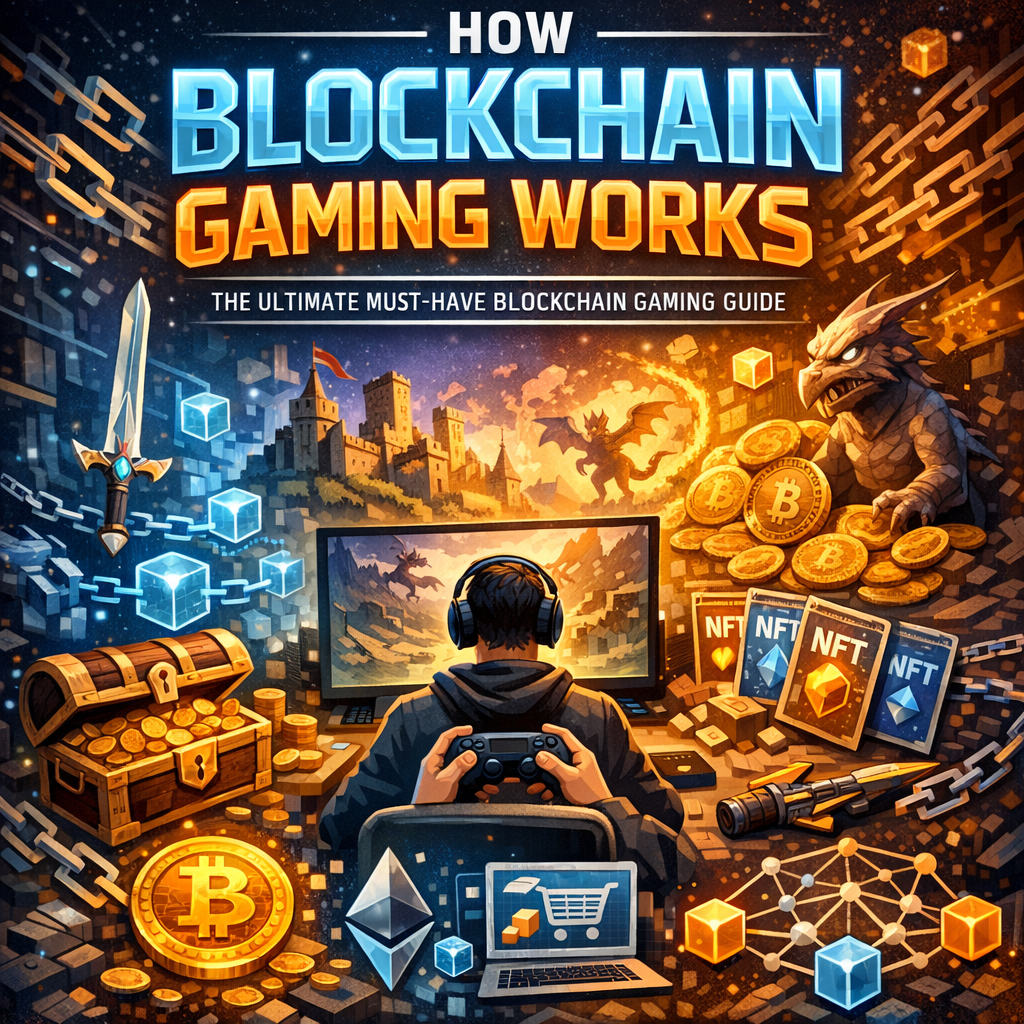
Blockchain gaming refers to video games that incorporate blockchain technology to manage in-game assets, currency, and sometimes the game’s underlying mechanics. Unlike conventional games where virtual items live solely within a closed system owned by the developer, blockchain games use decentralized ledgers to ensure that players — not just the game companies — truly own their digital assets.
By leveraging blockchain’s immutable and transparent nature, these games provide players with verifiable ownership of characters, skins, weapons, and other collectibles. This ownership is facilitated through non-fungible tokens (NFTs) and cryptocurrencies, enabling players to trade, sell, or even use their items across multiple games and platforms.
How Blockchain Gaming Works: The Technology Behind It
At its core, understanding how blockchain gaming works means diving into the interplay between gaming mechanics and blockchain infrastructure.
Blockchain as a Decentralized Ledger
Blockchains are digital ledgers maintained across multiple computers worldwide, making them resistant to manipulation and centralized control. In blockchain games, all transactions — whether buying an item, transferring assets, or completing quests — are recorded on this ledger. This decentralization ensures transparency and trust, as no single party can unilaterally change ownership records or game rules.
NFTs and Asset Ownership
Non-fungible tokens (NFTs) form the backbone of in-game asset ownership in blockchain games. Each NFT represents a unique digital item stored on the blockchain. Unlike cryptocurrencies such as Bitcoin or Ethereum, NFTs are one-of-a-kind and cannot be exchanged on a one-to-one basis.
When you acquire an NFT in a blockchain game, you get a cryptographic proof of ownership that is verifiable by anyone. This means your sword, character skin, or virtual land parcel is truly yours — and you can sell it to others in open marketplaces without interference.
Cryptocurrency Integration for Economy and Rewards
In many blockchain games, in-game currencies are built on cryptocurrency tokens, which earn real-world value. Players can earn tokens by playing, winning battles, or completing objectives. These tokens can often be traded for other cryptocurrencies or even fiat money, turning gameplay into a potentially profitable activity—a concept popularly known as “play-to-earn.”
Smart Contracts for Automated Gameplay Rules
Smart contracts are self-executing contracts with terms coded directly into the blockchain. In blockchain gaming, smart contracts can automate complex game mechanics, such as auctions, staking, and rule enforcement. Because these contracts operate transparently on the blockchain, they reduce the need for third-party intermediaries and increase player trust.
Key Benefits of Blockchain Gaming
Understanding how blockchain gaming works also highlights why it’s poised to revolutionize gaming.
True Ownership and Interoperability
Unlike traditional games where virtual assets live within a game’s ecosystem, blockchain gaming allows assets to be owned independently and, in some cases, used across different games and platforms. This interoperability creates a dynamic virtual economy that benefits players and developers alike.
Enhanced Security and Transparency
Because the game transactions and asset histories are recorded on an immutable blockchain, hackers or malicious actors cannot easily forge or duplicate digital items. This builds player confidence and maintains fair gameplay environments.
Play-to-Earn Opportunities
Play-to-earn models provide gamers with the chance to monetize their time and skills. By earning valuable tokens and NFTs through gameplay, players can supplement or even replace traditional income streams, attracting more users to blockchain platforms.
Challenges and Considerations in Blockchain Gaming
While blockchain gaming is exciting, it also faces several challenges developers and gamers should be aware of.
Scalability and Speed
Blockchain networks, especially Ethereum, sometimes suffer from slow transaction speeds and high fees, which can disrupt gameplay and deter users. Layer 2 solutions and alternative blockchains are being developed to address these issues.
User Experience and Accessibility
For blockchain gaming to become mainstream, the onboarding process, wallet management, and understanding of NFTs and cryptocurrencies need to become seamless for everyday gamers.
Regulatory and Environmental Concerns
Regulators worldwide are beginning to scrutinize blockchain-based games, particularly those with real-world financial assets. Furthermore, the environmental impact of blockchain mining and transactions has sparked debate, pushing developers towards greener alternatives.
Getting Started: Your Blockchain Gaming Guide for Beginners
If you want to explore blockchain gaming, here’s a simple game plan:
1. Set up a crypto wallet: This will store your digital assets and tokens.
2. Choose a blockchain game: Start with popular titles like Axie Infinity, Decentraland, or The Sandbox to experience various gameplay styles.
3. Learn the marketplace: Understand how to buy, sell, and trade NFTs safely.
4. Stay informed: Follow updates on blockchain technology and gaming to adapt to emerging features and platforms.
Conclusion
Knowing how blockchain gaming works unlocks a fascinating fusion of technology and entertainment that empowers players in new ways. This blockchain gaming guide highlights the core components—from NFTs and cryptocurrencies to smart contracts—that make these games unique. As the industry matures, expect more immersive, secure, and rewarding experiences that could reshape the future of gaming forever. Whether you’re a casual player or a dedicated developer, understanding this new model is essential to staying ahead in the digital age.