How DeFi Platforms Works: Your Must-Have DeFi Platforms Guide
In recent years, decentralized finance, commonly known as DeFi, has revolutionized the traditional financial landscape by offering an open, permissionless, and transparent way for users to access financial services. Understanding how DeFi platforms works is essential for anyone looking to dive into this exciting ecosystem. This guide will walk you through the core concepts of DeFi platforms, how they operate, and why they have become a must-have tool for modern finance enthusiasts.
What Are DeFi Platforms?
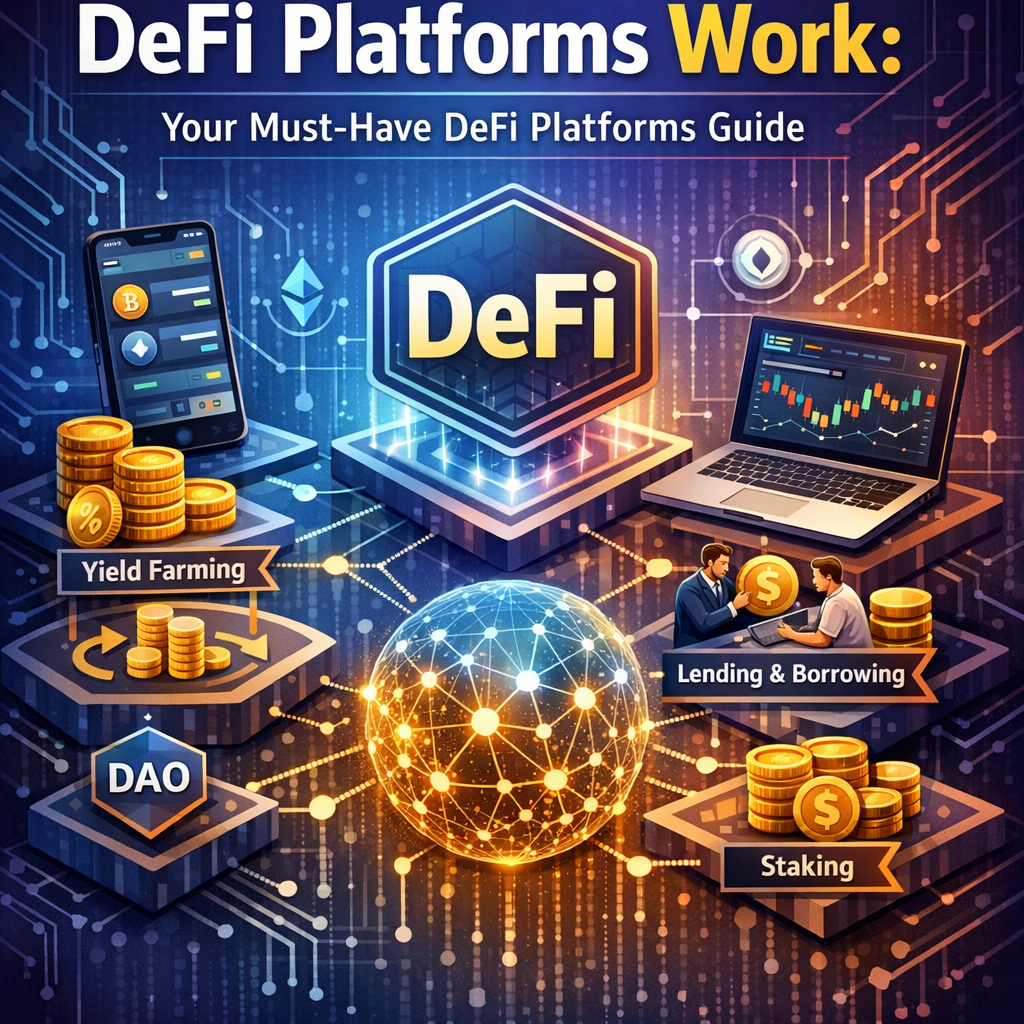
DeFi platforms are decentralized applications (dApps) built on blockchain technology that enable financial transactions without intermediaries like banks or brokers. These platforms allow users to lend, borrow, trade, and earn interest on their crypto assets using smart contracts—self-executing contracts with code embedded on the blockchain.
Unlike traditional finance systems, where central authorities control funds and transactions, DeFi platforms operate on decentralized networks, making financial services accessible to anyone with an internet connection and a digital wallet. This democratization of finance is a major driver behind the increasing popularity of DeFi.
How DeFi Platforms Works: The Basic Mechanics
At their core, DeFi platforms rely on blockchain technology and smart contracts. Here’s a breakdown of the key components that explain how DeFi platforms works:
1. Blockchain as the Foundation
Blockchain acts as the underlying infrastructure, providing a secure, immutable ledger of all transactions. Popular blockchains like Ethereum, Binance Smart Chain, and Solana host many DeFi protocols, leveraging their decentralized nature and security features.
2. Smart Contracts
Smart contracts automate financial agreements without requiring a trusted third party. These digital contracts execute automatically once the pre-set conditions are met. For example, a lending smart contract will release funds when a borrower provides adequate collateral.
3. Liquidity Pools
Liquidity pools are an essential element in decentralized exchanges (DEXs) and other DeFi protocols. Users contribute their assets into a pool, which others can access to trade or borrow against. In return, liquidity providers earn fees proportionate to their share of the pool.
4. Tokenization and Governance
Most DeFi platforms issue native tokens to incentivize user participation and facilitate governance. Token holders can vote on protocol upgrades, parameter changes, or new features, ensuring that the platform remains community-driven.
Use Cases: What You Can Do on DeFi Platforms
Understanding how DeFi platforms works is best complemented by knowing what they enable users to do:
Lending and Borrowing
DeFi platforms offer peer-to-peer lending services where users can earn interest by lending their digital assets or borrow assets by providing collateral. Unlike banks, these loans don’t require credit checks and operate 24/7.
Decentralized Exchanges (DEXs)
DEXs allow users to trade cryptocurrencies directly from their wallets without intermediaries. Using liquidity pools and automated market makers (AMMs), these platforms facilitate smooth asset swaps with minimal slippage.
Yield Farming and Staking
Yield farming involves staking assets into DeFi protocols to earn additional rewards or interest. Staking tokens helps secure the network or provide liquidity, rewarding users for supporting the ecosystem.
Stablecoins and Payments
Many DeFi platforms utilize stablecoins—cryptocurrencies pegged to stable assets like the US dollar—to provide stability for payments and transactions, making crypto more viable for everyday use.
Advantages of Using DeFi Platforms
DeFi platforms offer unique benefits compared to traditional finance, which explains their growing appeal:
– Accessibility: Anyone with an internet connection can use DeFi services without needing a bank account or approval.
– Transparency: All transactions and smart contracts are visible on the blockchain, ensuring transparency.
– Security: Decentralized networks reduce the risk of censorship and centralized points of failure.
– Inclusion: DeFi opens financial services to populations underserved by traditional banks.
Risks and Considerations: What You Should Know
While DeFi platforms present exciting opportunities, they also come with risks that users should be aware of:
– Smart Contract Vulnerabilities: Bugs in smart contract code can lead to hacks or loss of funds.
– Market Volatility: Cryptocurrency prices can be highly volatile, affecting collateral and loan values.
– Regulatory Uncertainty: DeFi exists in a gray area of regulation, which could impact its future.
– User Error: With no intermediaries, users must take full responsibility for managing their wallets and private keys.
Your Must-Have DeFi Platforms Guide: Getting Started
If you’re ready to explore DeFi, here’s a simple roadmap to get started:
1. Choose a Secure Wallet: MetaMask, Trust Wallet, and Coinbase Wallet are some popular examples.
2. Fund Your Wallet: Transfer some cryptocurrency to your wallet; Ether (ETH) is common for Ethereum-based platforms.
3. Select a Reputable Platform: Research and choose well-known DeFi protocols such as Aave, Compound, Uniswap, or PancakeSwap.
4. Start Small: Begin by experimenting with small amounts to understand how to interact with smart contracts.
5. Stay Informed: Keep up with DeFi news, updates, and potential risks. Follow official channels and community forums.
Conclusion
Understanding how DeFi platforms works can empower you to make informed decisions in this rapidly evolving financial space. DeFi offers unparalleled access, transparency, and control over your assets, but it also demands caution and education. By following this defi platforms guide, you’ll be well-equipped to harness the potential of decentralized finance and explore the innovative financial opportunities it offers. Whether you’re looking to lend, borrow, trade, or earn interest, DeFi platforms are reshaping how we think about money—and they might just be the key to your financial future.