Web3 Wallets Investing: Must-Have Investor Guide to Secure Gains
Web3 wallets investing is rapidly becoming an essential practice for anyone seeking to capitalize on the booming decentralized finance (DeFi) ecosystem and the broader blockchain-based digital economy. As more individuals and institutions explore opportunities within Web3—encompassing decentralized applications (dApps), NFTs, cryptocurrencies, and smart contracts—understanding how to securely manage and invest using Web3 wallets is critical. This investor guide to Web3 wallets will walk you through the fundamentals, security best practices, and key tips to help you protect your assets while maximizing returns.
Understanding Web3 Wallets Investing
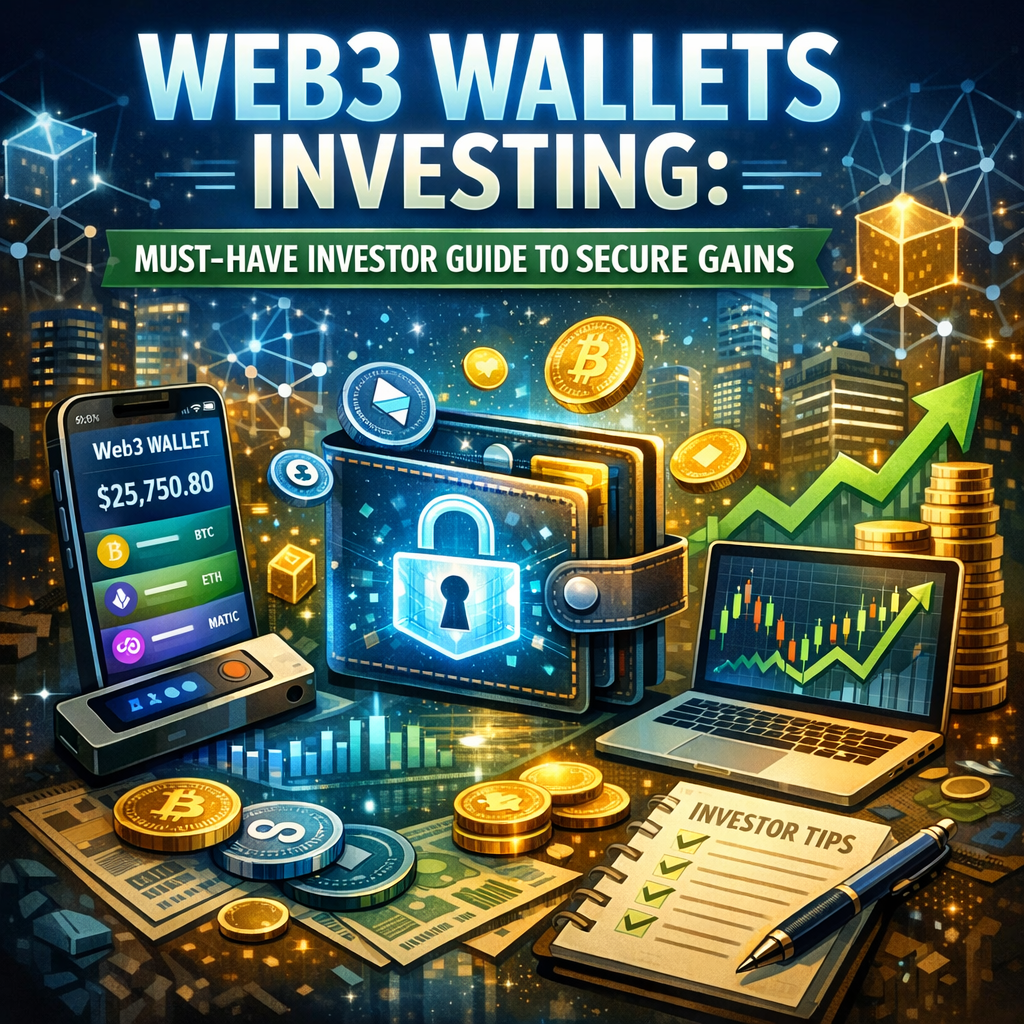
At its core, Web3 wallets investing involves the use of blockchain-enabled wallets capable of interacting with decentralized platforms and managing digital assets beyond traditional cryptocurrencies. Unlike conventional wallets, Web3 wallets not only store tokens but also enable users to engage directly with dApps, participate in decentralized exchanges (DEXs), and join governance protocols.
These wallets act as your gateway to a decentralized internet, giving you control over your assets without relying on intermediaries like banks or centralized exchanges. Popular examples include MetaMask, Trust Wallet, Coinbase Wallet, and hardware options like Ledger and Trezor.
Investors benefit from Web3 wallets by securely holding and moving digital assets, staking tokens for yield, and even leveraging NFTs for collateral or investment diversification. However, with this empowerment comes responsibility—security risks are notably higher without centralized oversight.
Why a Strong Security Foundation is Crucial
The decentralization that makes Web3 wallets investing exciting also means that users are solely responsible for the safekeeping of their private keys—strings of data that grant access to funds and identity on the blockchain. Losing your private key or falling victim to phishing scams can result in irreversible loss of assets.
Hackers and scammers constantly target Web3 users through social engineering, malicious dApps, fake websites, and malware designed to steal wallet credentials. Thus, a core component of this investor guide to Web3 wallets is developing foolproof security habits and using the right tools.
Types of Web3 Wallets and Their Security Implications
Hot Wallets
Hot wallets are connected to the internet and offer quick access to your funds. Common examples include browser extensions and mobile apps like MetaMask and Trust Wallet. They are convenient for frequent trading and participation in DeFi but pose higher security risks due to potential exposure to online threats.
Cold Wallets
Cold wallets operate offline, significantly reducing hack risks. Hardware wallets like Ledger Nano and Trezor store your private keys securely in physical devices. Paper wallets are another offline option, though less user-friendly. For serious investors holding large amounts, cold wallets are considered the gold standard for security.
Custodial vs. Non-Custodial Wallets
Non-custodial wallets give you full control over your keys and assets. This autonomy aligns with the decentralized ethos but also means no “forgot password” option. Custodial wallets, often offered by exchanges, manage keys on your behalf but introduce counterparty risks.
Balancing convenience and security often requires employing multiple wallet types depending on investment goals and risk tolerance.
Practical Tips from the Investor Guide to Web3 Wallets
1. Always Backup Your Seed Phrase
The seed phrase or recovery phrase is a master key to your wallet. Store it securely offline in multiple physical locations. Never share it with anyone or input it into untrusted websites.
2. Use Hardware Wallets for Large Holdings
Keep the bulk of your assets in cold storage to mitigate risks of hacks or malware. Only transfer funds to hot wallets for active trading or staking.
3. Enable Two-Factor Authentication (2FA)
For wallets and associated accounts that support it, turn on 2FA to add an extra layer of protection.
4. Verify dApps Before Connecting Your Wallet
Phishing dApps can drain your wallet once authorized. Always confirm the legitimacy of a platform by checking official websites and community feedback.
5. Keep Wallet Software Updated
Developers frequently patch security vulnerabilities. Running the latest version reduces exposure to exploits.
6. Beware of Smart Contract Risks
Some DeFi protocols carry risks of bugs or rug pulls. Conduct thorough research and never commit funds you cannot afford to lose.
Leveraging Web3 Wallets for Investment Growth
Beyond secure storage, Web3 wallets open doors to various investment opportunities:
– Staking and Yield Farming: Lock tokens in protocols to earn passive income.
– NFT Investments: Buy and hold non-fungible tokens representing digital art, collectibles, or gaming assets.
– Governance Participation: Use your tokens to influence protocol decisions, sometimes yielding additional rewards.
– Cross-Chain Asset Management: Manage assets across different blockchain networks, maximizing diversification.
By harnessing these features through a well-managed wallet setup, investors can participate directly in the expanding Web3 economy.
Final Thoughts on Web3 Wallets Investing
Investing through Web3 wallets presents a transformative path to managing and growing digital assets independently. However, this freedom demands a heightened focus on security and due diligence. The investor guide to Web3 wallets shared here emphasizes the importance of choosing the right wallet type, securing private keys, staying vigilant against scams, and understanding the investment landscape within Web3.
By applying these strategies, investors can confidently navigate this innovative frontier, safeguarding their investments while exploring the vast potential of decentralized finance and blockchain technologies. Whether you are a seasoned crypto investor or new to this exciting digital realm, adopting a thoughtful, security-first approach to Web3 wallets investing will position you for sustained success in the evolving Web3 ecosystem.